The question that exists when it comes to skincare is: will sunscreen come before or after moisturizer? It might appear so, yet the solution can be based on personal skincare habits and taste. In the guide, we shall detail how to use the sunscreen and moisturizer and why they are most effective in a given sequence during the morning to do your skincare.
Why Does the Order Matter?
The order in which you use your skin care products also influences their absorption method as well as efficacy. You apply sunscreen to avoid being exposed to harmful sun rays, and you apply moisturizer to make your skin moist. This would mean allowing the two products to complement one another, without interfering with each other.
The Right Order: Sunscreen First or Moisturizer?
As a rule, moisturizer should go on before sunscreen. But there are good reasons for all of that.
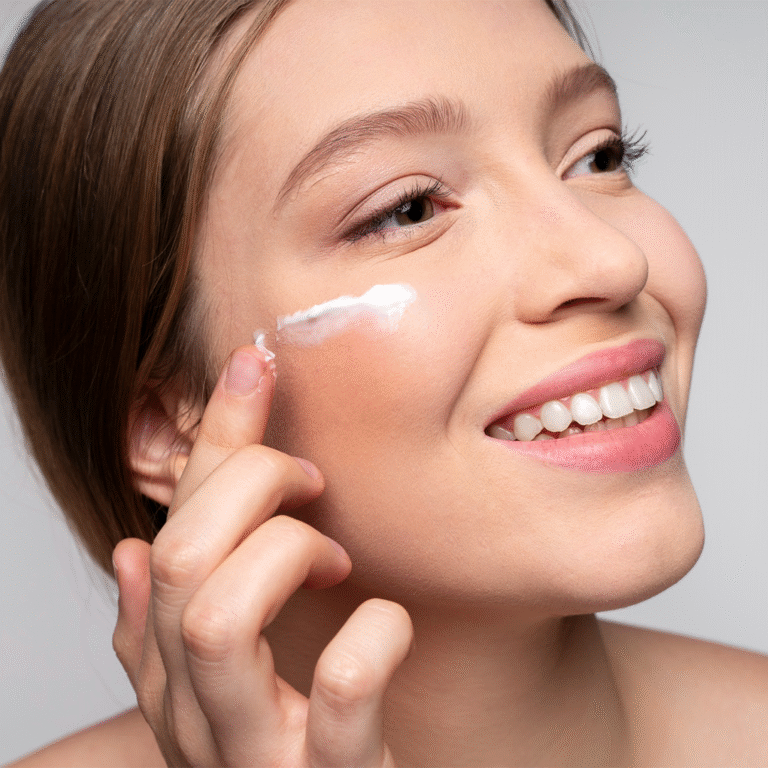
Moisturizers are formulated to nourish your skin, keeping it soft and dynamic. If you apply it first, your skin has a chance to drink in the moisture. After your skin has soaked in the moisturizer, sunscreen can provide a protective layer on top, preventing the sun’s damaging rays from reaching your skin.
Should You Apply Sunscreen Before or After Moisturizer?
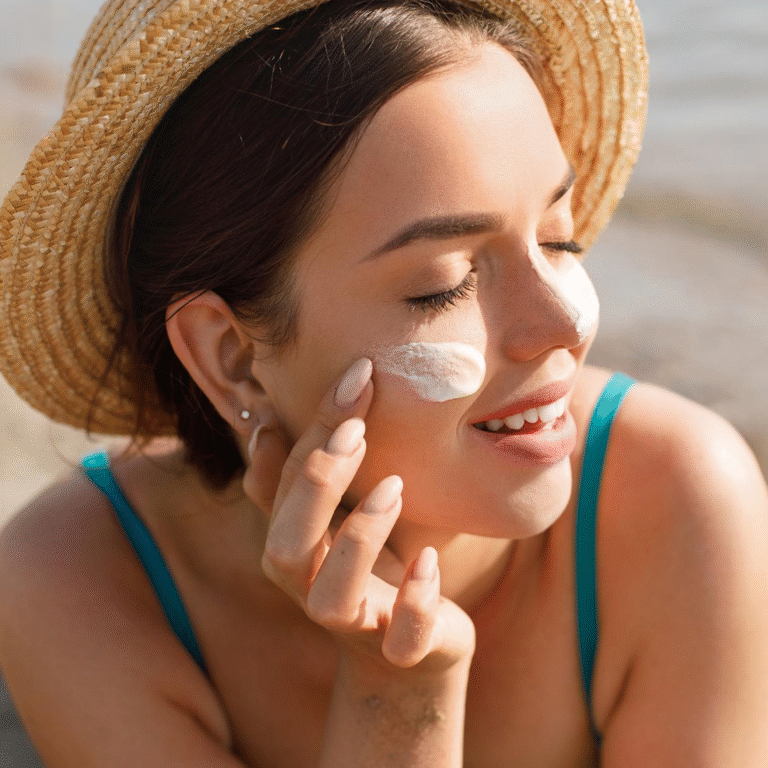
The (sunscreen) answer here is pretty cut and dry: sunscreen should be your last step. It creates a blanket over your skin, trapping in moisture and guarding you from UV rays. If you apply sunscreen before your moisturizer, though, it may block your moisturizer from fully absorbing and decrease the effectiveness of your skincare routine.
Dermatologists agree with this approach. They argue that it is not ideal to pile sunscreen on under moisturizer, because if a sunscreen were beneath a moisturizing layer or butter, then in the simple mix of emulsion and organic phase the French researchers appear to have been using nit might not be able to extend sufficiently into the hair to confer full photoprotection.
What About SPF?
It gets tricky when your moisturizer has SPF. Do you put sunscreen on before or after moisturizer with SPF? In this situation, you might believe that a moisturizer with SPF is sufficient. That said, experts suggest you include a standalone sunscreen for full coverage if you’re going to be outside or in direct sun. The SPF in moisturizer may not be adequate to deliver the necessary level of coverage.
Sunscreen or Moisturizer First? Dermatologist's Opinion
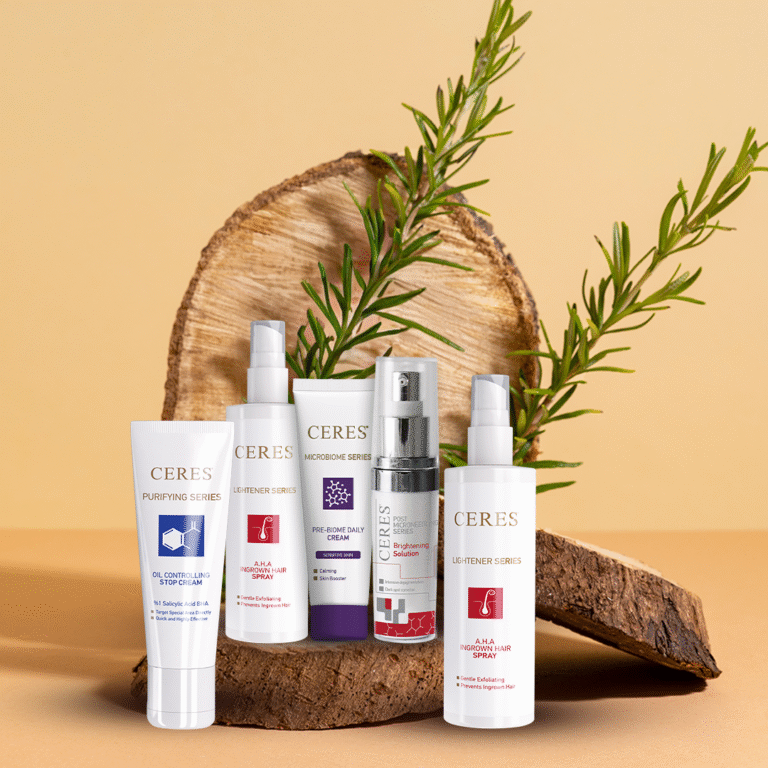
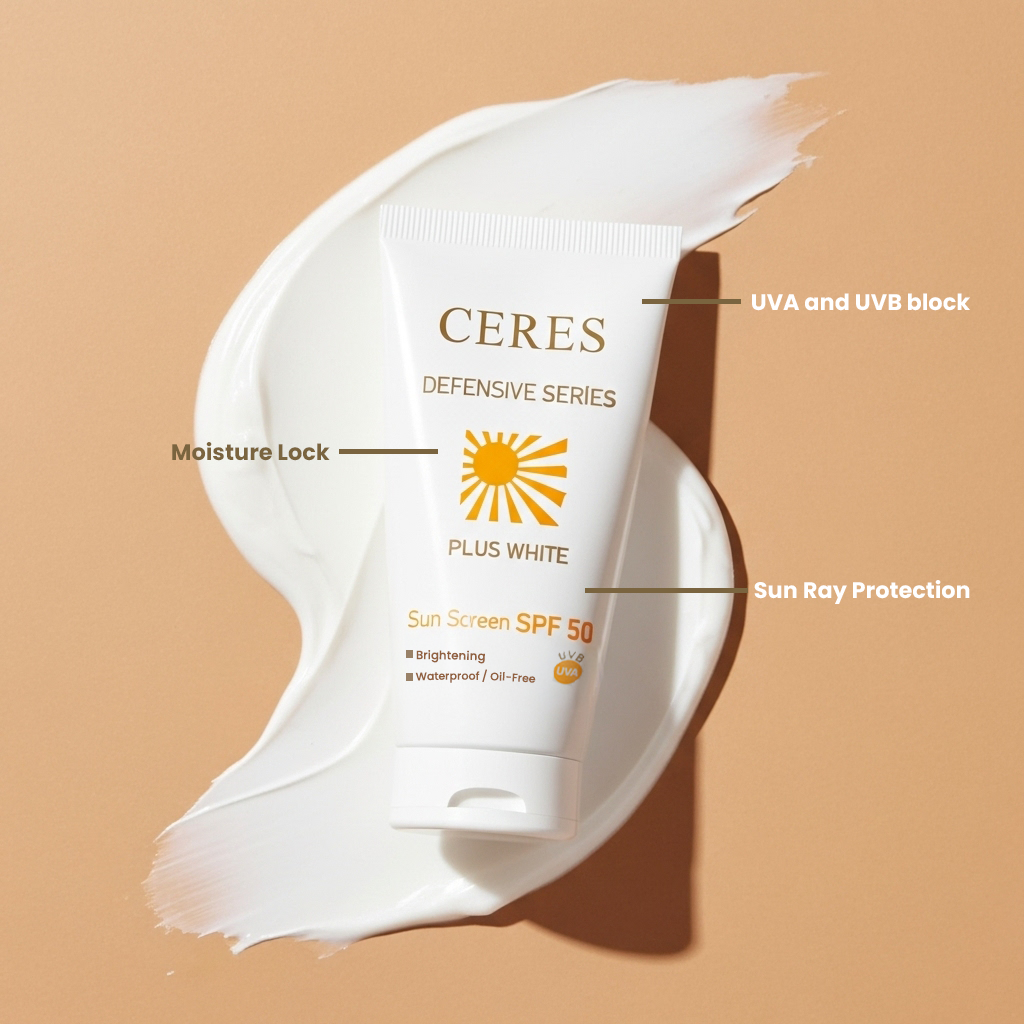
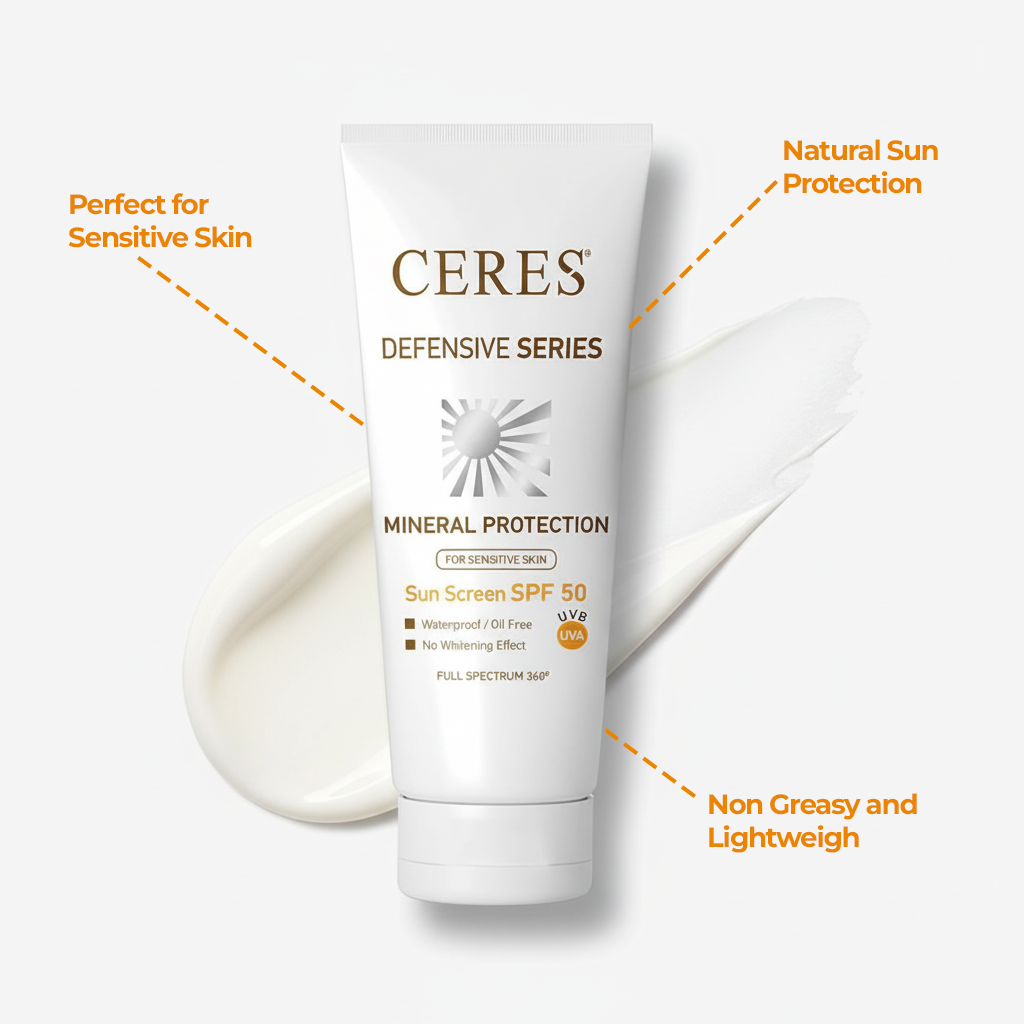
A Dermatologist Trusted Mineral Sunscreen for Sensitive Skin. Providing broad-spectrum protection, Ceres is gentle on the skin, making it perfect for daily use. The formula is light and non-greasy, so it’s great to layer over your moisturizer.
Another great choice would be Ceres Plus White Sunscreen, which doesn’t just protect your skin, but also treats dark spots and an uneven skin tone. If you are on the look out for additional benefits to your skin as well as sun protection, this is the sunscreen for you. Whether you use it in your regular skincare routine or to target uneven skin tone, this will help protect your complexion while brightening it.
A Simple Skincare Routine
The average person’s daily skincare regimen should be something like:
- Cleanser: First, use a gentle cleanser to get rid of dirt and oil.
- Hydrate: Moisturize your skin as you normally would.
- Sunscreen: Last of all, apply sunscreen to shield your skin from bad UV rays.
Just a friendly reminder that no matter how high the SPF in your moisturizer, you need sunscreen for protection. Genius Tip: “Choose a broad-spectrum sunscreen with an SPF of 30 or higher.
Can I Put Sunscreen After Moisturizer?
Yes, you absolutely can! In reality, applying sunscreen over moisturizer makes sure your skin is hydrated and protected. Sunscreen functions optimally as the final product on your skin, forming an invisible shield against the sun’s rays. This also helps stop your moisturizer from blocking the sunscreen for sale.
Do I Need Sunscreen if My Moisturizer Has SPF?
Sure, so many skincare products these days have the SPF built in. But you might still want to apply another layer of sunscreen before going out in the sun for any length of time. If you don’t use enough, factor as if the moisturizer doesn’t have SPF. For everyday, under moisturizer with SPF could be fine, but to go to the beach or hike for long periods of time outside, sunscreen before (or after) moisturizer
Key Takeaways:
The sunscreen should be applied last after moisturizer. It enables your skin to remain moist and, at the same time, shielded against the harmful UV rays.
- It is not advisable to use sunscreen prior to the moisturizer. It can inhibit the power of your moisturizer.
- In case your moisturizer contains SPF, you can add a second layer of sunscreen to provide added protection, particularly when sun exposure is increased.
Therefore, the next time you are in doubt about which to apply before or after moisturizer, always keep in mind to use moisturizer, then put on sunscreen. That is the best way of keeping your skin moisturized and protected throughout the day