Selecting a good face cream is only one part of skin care. Equally important to the product is how you use it. When not used properly, creams can leave your skin dry, irritated and even lead you to get fine wrinkles. Learn about the properties of main ingredients how to best apply a Face Cream; you have it all in this guide (dry skin, sensitive skin, anti-ageing advice). What’s more, we’ll prove that Ceres Derma products seamlessly integrate into your daily routine.
Start With Clean Skin
Your skin must be clean before you apply any cream. By applying a mild cleanser, you get rid of dirt, oil and makeup that can prevent your skin from taking in the mask. Ceres Pre-Biome Daily Cleanser is the perfect choice. Splash your face with tap water at room temperature, not hot water that may strip natural oils. Do not wipe, but rather pat your skin dry with a towel to prevent irritation. Clean skin allows your moisturiser or SPF face cream to work.
Choose the Right Face Cream
Not all creams are equal. The key is finding the right type for your skin needs.
During the day, an SPF face cream such as Ceres Mineral Protection Sunscreen SPF 50 protects your skin from UV rays and ensures hydration. If you have ageing skin, the Argan Stem Cells and Genistein in creams play a role in diminishing fine lines and enhancing firmness. For radiance, a vitamin C face cream might even out your skin tone and fade pigmentation. Dry skin can benefit from creams that have shea butter, argan oil or olive oil to help hydrate and soften.
Pain point: Creams that don’t work can cause irritation, clogged pores or no results at all. One good place to start is by picking the right formula for your skin.
Warm the Cream Before Applying
A pea-sized drop is usually sufficient for the entire face. Warm it up between your fingers before applying. That will allow the hyaluronic acid, essential oils and butters in your cream to penetrate your skin sooner and more effectively. Heating up the cream has the added benefit of eliminating tugging on your skin, which minimises fine lines.
In the winter, especially, you can also add a couple of drops of a facial oil to your cream for extra hydration. Oils that are argan- or olive-based seal in moisture and magnify the nourishing properties of your moisturiser.
Gentle, Upward Strokes
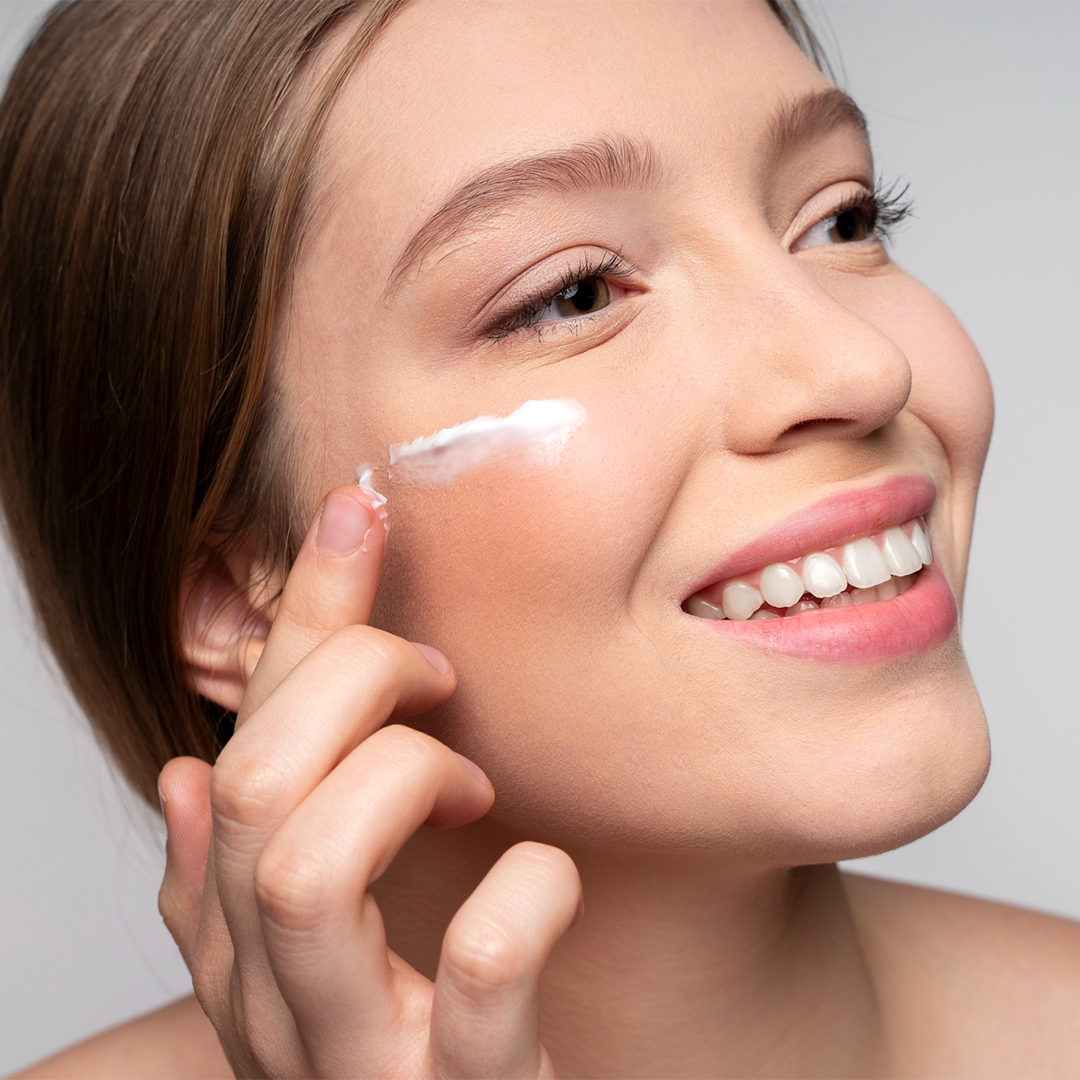
It’s just as important how you apply the cream as what cream you use. Apply with soft, upward strokes beginning at the centre of the face and moving towards the sides. Use small circular motions, and don’t neglect your neck. This is beneficial as it will enable your skin to absorb the ingredients better as well as promote firmness. Avoid harsh rubbing, which can lead to irritation and premature fine lines.
Pay a little more attention to dry areas, like the cheeks, nose area and forehead. That’s why it’s important to moisturise this area with a light face cream for dry skin, such as Ceres Pre-Biome Daily Cream, to keep the area soft, smooth and hydrated.
Layering Your Skincare
If you’re a product junkie, knowing how to layer is crucial. Begin with light serums with hyaluronic acid or vitamins, and then lock in hydration with your face cream. In the morning, use an SPF face cream to shield your new skin from the sun. Layering facilitates a harmonious combination of ingredients without the need to layer on heavily or feel greasy.
Problem: Putting creams on in the wrong order can potentially make both your anti-ageing cream and sunscreen less effective.
Eye Care
The skin around your eyes is delicate and deserves special treatment. Apply an eye cream by Ceres Derma, which gently soothes puffiness and fights fine lines. Pat gently with your ring finger. A lot of eye creams contain nourishing oils or collagen-boosting ingredients to help support the youthfulness of this delicate area.
Let the Cream Absorb
Wait a few minutes for your skin to absorb the product after applying face cream, before putting on makeup. This application enables its active ingredients , whether it’s zinc oxide, hyaluronic acid or vitamin C, to penetrate and do their work effectively. Hastening through this step can minimise the benefits of even the nicest creams.
Extra Tips for Healthy Skin
These are some simple little habits that will help make the most of your cream:
- Keep creams at room temperature for potency.
- Stay Hydrated, it all starts from within.
- When used once or twice a week, its exfoliating action removes dead skin cells for more efficient penetration.
- Resort to richer creams at night, featuring ingredients such as Shea butter or essential oils for repair while you sleep.
- Patch test all new products to reduce the chances of irritation, particularly for those with sensitive skin.
Common Mistakes to Avoid
Typical mistakes can lessen the effectiveness of even the greatest cream
- Using too much cream could clog pores.
- Steer clear of SPF during the day.
- Instead of giving the skin a gentle pat, give it a massage.
- applying cream on unclean skin.
By avoiding these mistakes, you may keep your skin moisturised, healthy, and radiant.
Why Ceres Derma Works
At Ceres Derma, we create natural products you can trust to be mild and effective. They are ideal for:
- Dry skin – hydrating products that cause less irritation.
- Dry skin – super-moisturising creams with shea butter and argan oil.
- Anti-ageing – creams with collagen-enhancing fillers and derivatives.
- Sunblock – Light, non-greasy and moisturising SPF face creams.
Choosing Ceres Derma means you are choosing skincare products that your skin can actually absorb and utilise, making your regimen easier and more effective.
Final Thoughts
There’s more to just your routine handshake when you smooth this face cream on for brighter skin. Here’s how you can, with the right method and gentle products like Ceres Derma, as well as a little bit of time:
- Moisturise and soften your skin
- Protect from sun damage
- Diminish the look of fine lines
- Improve firmness and radiance
Maintaining regularity is important. Your skin will thank you for this daily ritual, whether it’s done in the morning or at night. Also, don’t forget that in the application of the cream is just as important as the actual cream.