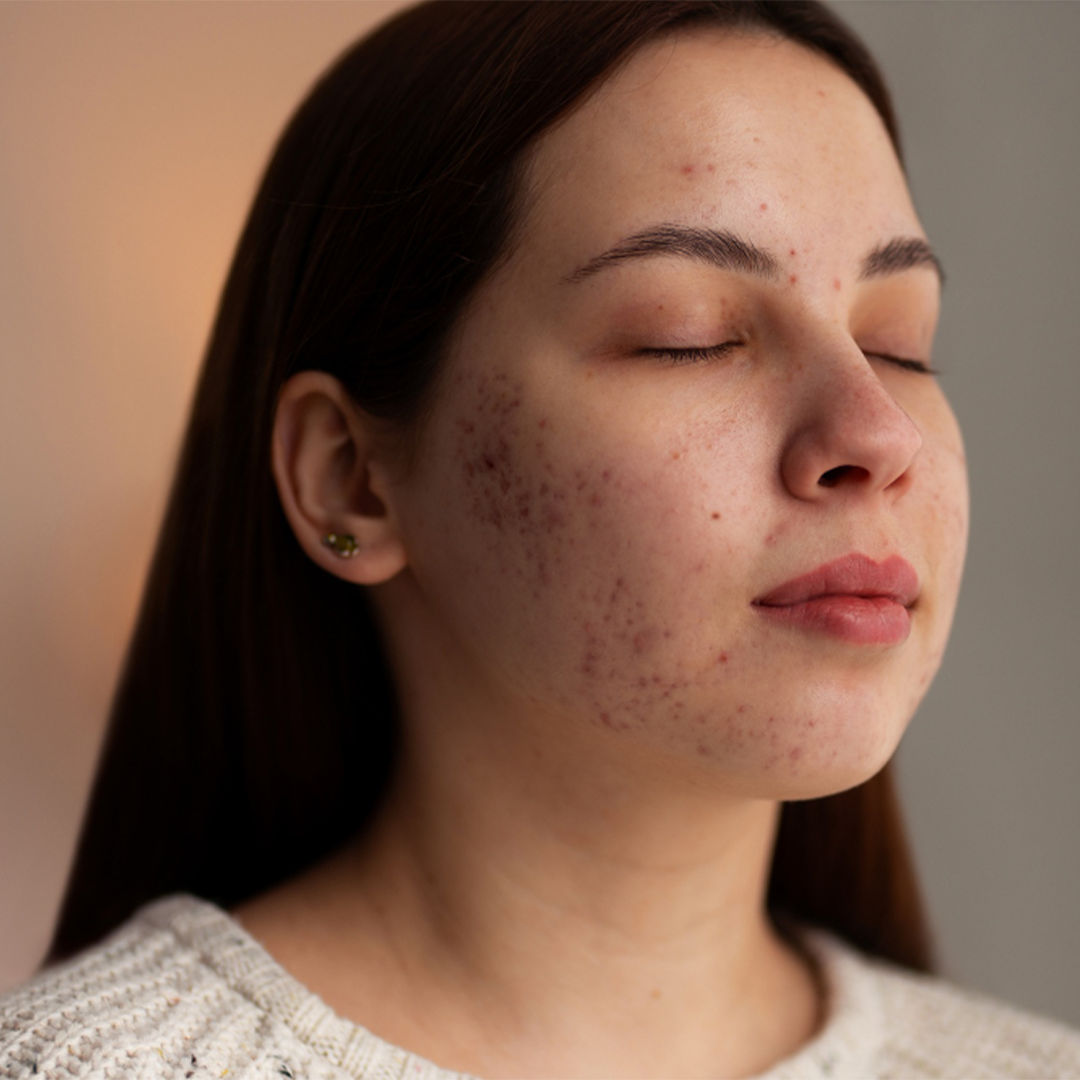
Tiny dark spots on your skin can be frustrating. You’ve probably seen them on your nose, chin or forehead and wondered what in the heck they are and how to make them go away. Those spots, called blackheads, are one of the most common types of acne. They can be stubborn, but knowing their cause is the first step towards clearer skin.
This guide will tell you how to take care of your skin. We will learn: How do these little annoying spots develop and easy, practical steps for their treatment and prevention. However, with the proper regimen and some patience, you can see a big difference in their appearance and enjoy an overall smoother complexion.
What Are Blackheads and Whiteheads?
Before getting into treatments, it helps to know what you’re dealing with. Blackheads and whiteheads are both considered a type of comedo, the medical term for a clogged hair follicle (or pore).
How Do Blackheads Form?
Each of your skin pores has a hair follicle and sebaceous gland, which creates oil (called ‘sebum’) to lubricate your dry skin. A blackhead starts as a clogged pore trying desperately to breathe. The upper surface of the clog is open to atmosphere. The contents of the pore start to oxidize and we end up with a blackhead so that’s why they tend to look gray or black! It isn’t dirt, as so many other people think it is.
Blackheads vs. Whiteheads
So, what’s the difference between blackheads and whiteheads? The pore is the only distinction, to the degree that it actually matter if the pore is open or not.
Blackheads (Open Comedones) – The pore opens to the skin’s surface, and sebum and skin cells within are oxidized and turn black.
Whiteheads (Closed Comedones) The pore is blocked and almost entirely closed with a microscopic opening to skin. The natural skin pull-out is kept white or flesh-coloured because it does not come into contact with the outside air. Whiteheads on the face (nose and chin mainly) are very common.
This difference is very important to make, as the way in which you should be treating these 2 types are different.
What Causes Blackheads and Whiteheads?
Clogged Pores Causes There are multiple reasons as to why clogged pores can form. By knowing them, you can keep them from ever forming in the first place.
- To much oil production: Pores become clogged when skin has to much oil on it due to overactive sebaceous glands. This can be due to hormonal fluctuations, such as in puberty, menstruation or pregnancy.
- Dead Skin Cell Buildup: Dead skin cells naturally fall off; however, the rate of shedding is different for everyone. When these cells aren’t sloughed off efficiently, they can combine with oil and clog your pores.
- Changes in Your Hormones: Androgens, a category of hormone, stimulates an increase in sebum production and can produce more breakouts.
- Makeup and Skincare Products: Certain products are “comedogenic,” which means they have a tendency to block pores. When in Doubt, Use “Non-Comedogenic” Always look for “non-comedogenic” products.
How to Get Rid of Blackheads and Whiteheads
Now for the important part: how to treat these blemishes. The goal is to remove the existing clogs and prevent new ones from forming. Consistency is crucial for seeing results.
Dermatologist Approved
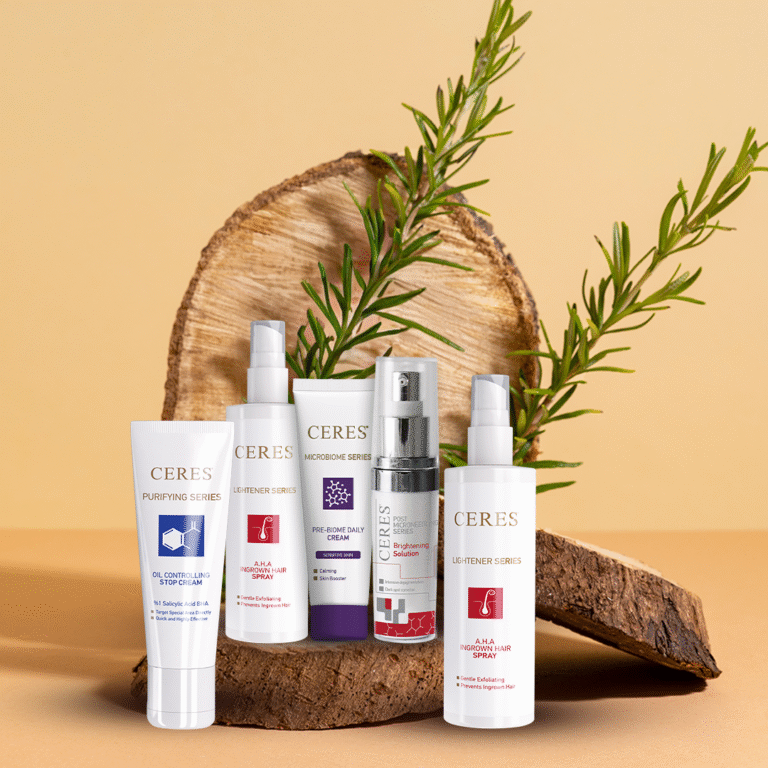
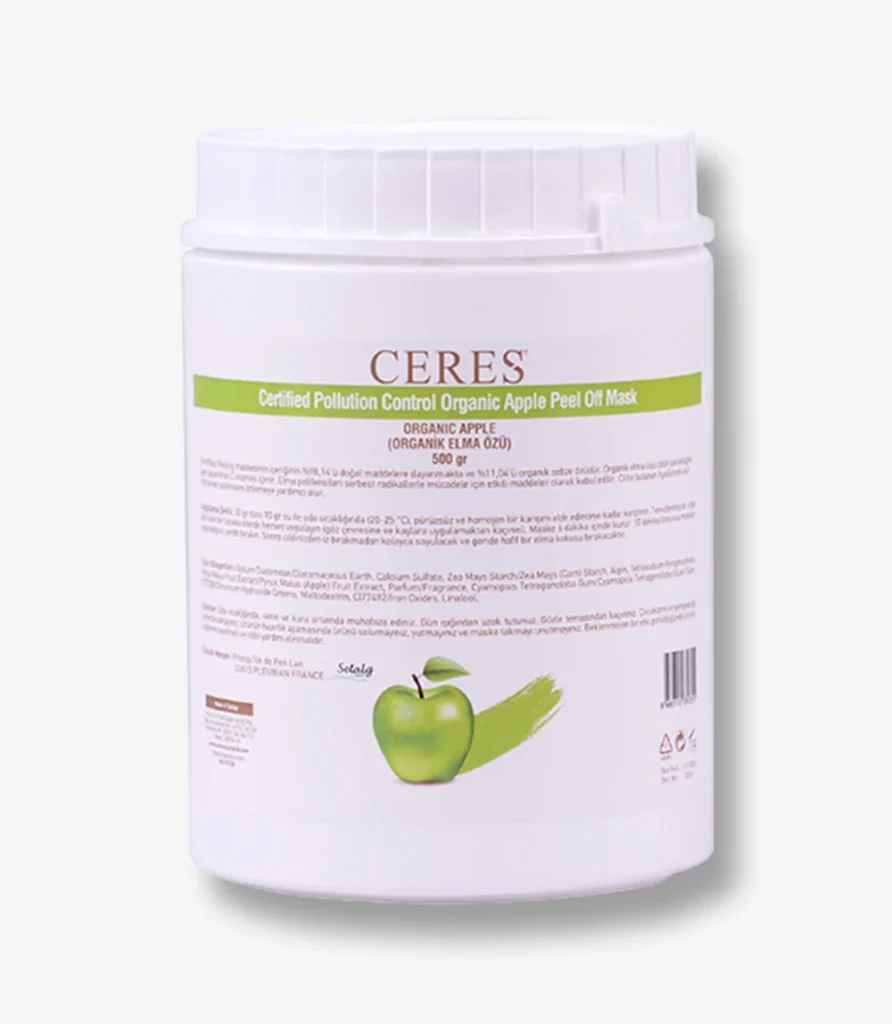
Ceres Dermatologist-approved solution designed to effectively eliminate blackheads. With trusted ingredients and proven results, this treatment clears pores and prevents future breakouts for smooth, radiant skin.
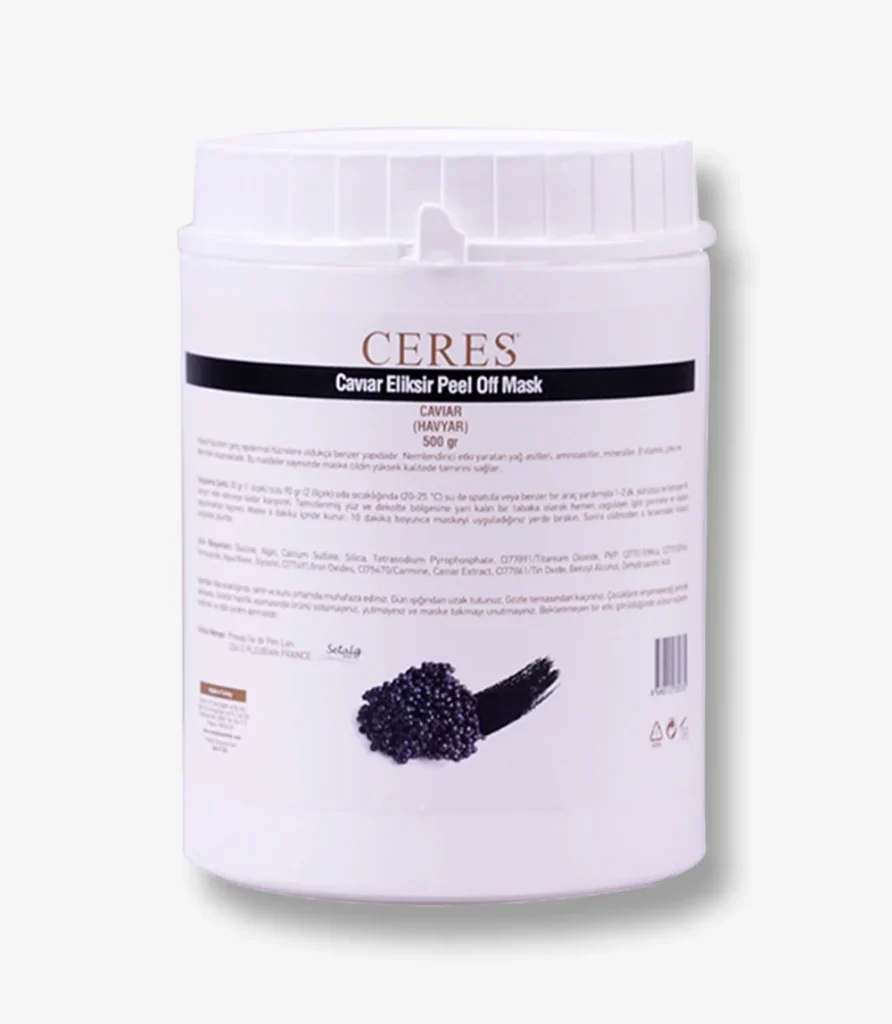
How to Remove Whiteheads and Blackheads at Home
Professional extractions are a possibility, but there’s work you can do at home to care for your skin. This is how to safely remove white heads from your face at home.
- Mild Exfoliation: Depending on your skin type, you might find benefit with 1-2 times per week, using a chemical exfoliant (such as salicylic acid) or gentle physical scrub to aid in sloughing away dead skin cells. If you have acne Avoid using harsh, abrasive scrubs.
- Clay Masks: Kaolin or bentonite clay masks help to soak up any oil that may be laying on the surface of your skin. Applying one weekly can also work to help lift impurities deep down in the pores to make removal of whiteheads less frustrating over time.
- Pore Strips (Use with Caution): Pore strips can provide a short-term remedy for blackheads by removing the top layer. But they don’t actually get to the root of the problem, and they can be irritating if you use them too frequently. Consider them as a bandage but not a cure.
Among the most frequent questions is about removing facial white heads from the nose at home. The nose is a hotspot where pores tend to accumulate. And try: A salicylic acid cleanser and weekly clay mask work wonders on this area.
Building a Skincare Routine for Prevention
The easiest way to deal with blackheads on your face is to avoid them in the first place. Your best lines of defense comes from a regular routine, customized for your skin type.
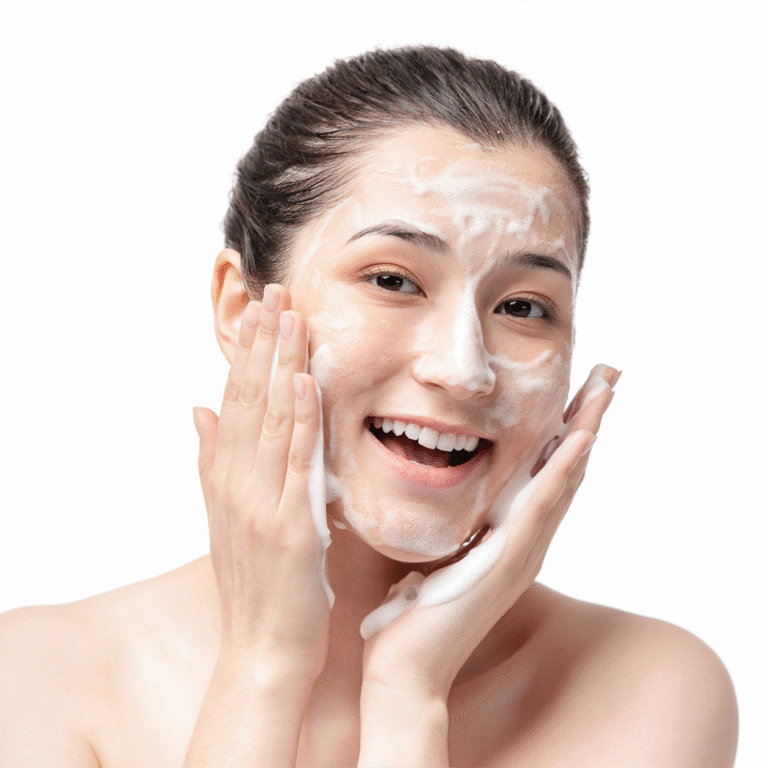
- Cleans Twice a Day: Cleanse your face morning and night with a mild, non comedogenic cleanser. For oily skin, one with salicylic acid can be helpful.
- Exfoliate: Add a chemical exfoliant 2-3 times weekly to your routine to maintain unclogged pores.
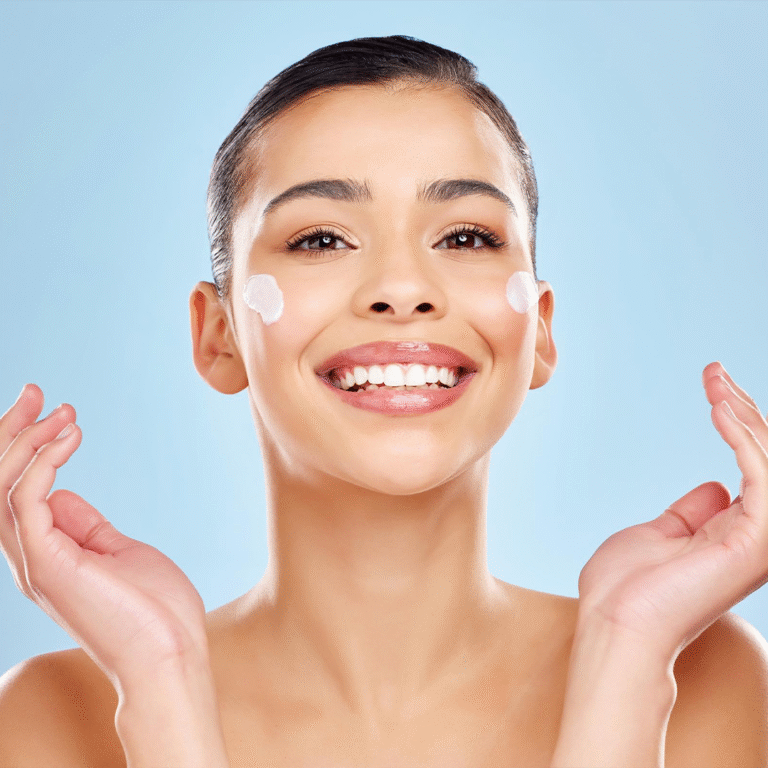
- Moisturize: Do not skip moisturizer, even if your skin is oily. When your skin is dehydrated, it may try to make up for the lack of moisture by producing even more oil. Opt for a light, oil-free, non-comedogenic one.
- Wear Sunscreen Daily: The last thing you need when you’re fighting breakouts is sun damage, but getting the right sunscreen can sometimes be easier said than done. It’s equally crucial if you’re on retinoids or other exfoliating acids. Apply a broad-spectrum sunscreen with SPF of at least 30 every day.