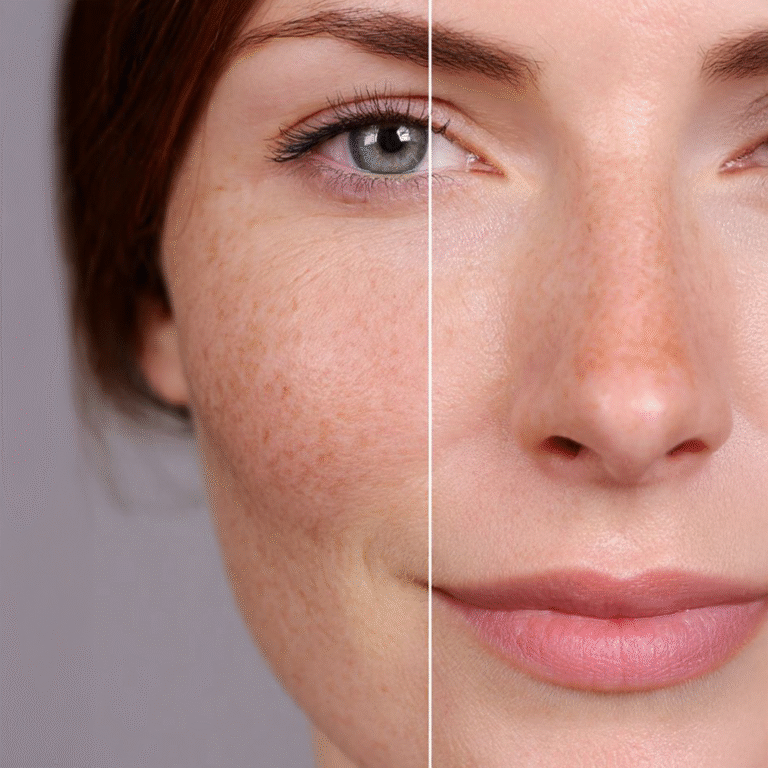
Your face may turn red due to various reasons, such as increased blood flow from physical exertion, emotional reactions like embarrassment or anger, or environmental factors like heat or sunburn. Conditions like rosacea, allergies, or infections can also cause redness.
Common Reasons Behind Facial Redness
- Rosacea
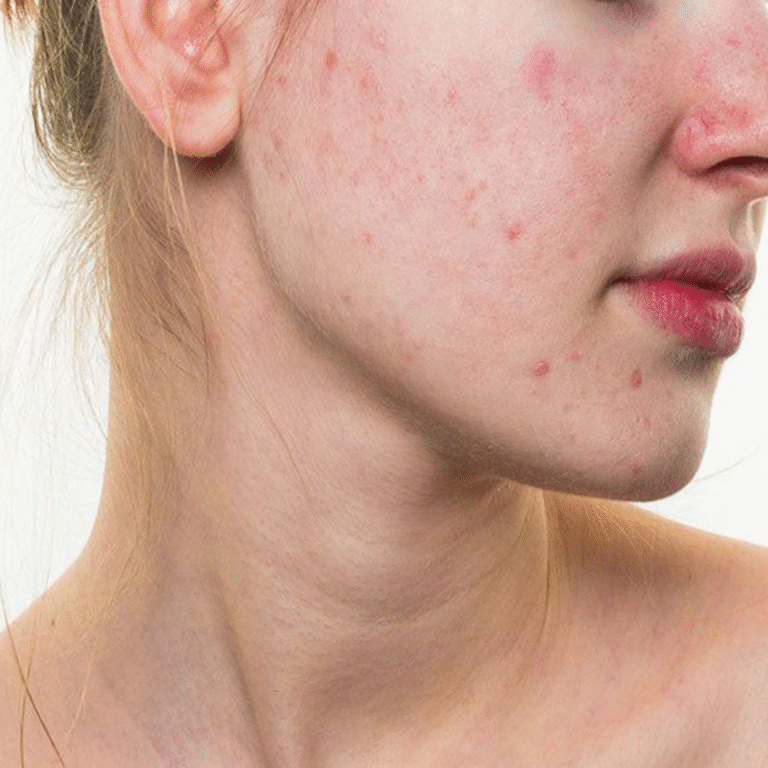
Rosacea is a skin condition that causes redness on your face in the form of visible blood vessels and red blotches. It can lead to painful red splotches on your face, especially around the cheeks and nose. Exactly what causes rosacea is not known, but it can be brought on by things such as stress, hot temperatures, spicy foods or alcohol.
- Sunburn
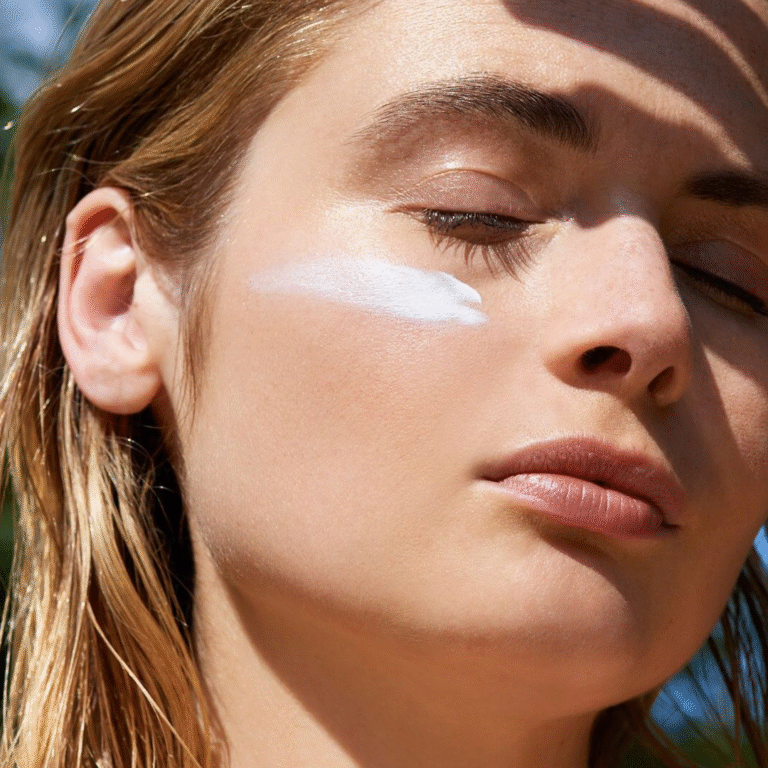
If you spend too long in the sun without protecting your skin, it may turn red (this is called sunburn). This type of redness on the face can be very sore and may take a couple of days to heal, although it will be dependent on how bad the burn is.
- Allergic Reactions
Facial redness may also result from allergies stemming from skincare products, makeup, or foods. If you see red blotches on your face after trying a new product, that might be a sign of an allergy or irritation.
- Skin Sensitivity
Others simply have more sensitive skin, causing their face to become red. For such people, mild flares in the weather or using irritating skin care products can cause facial redness.
- Acne or Pimple Breakouts
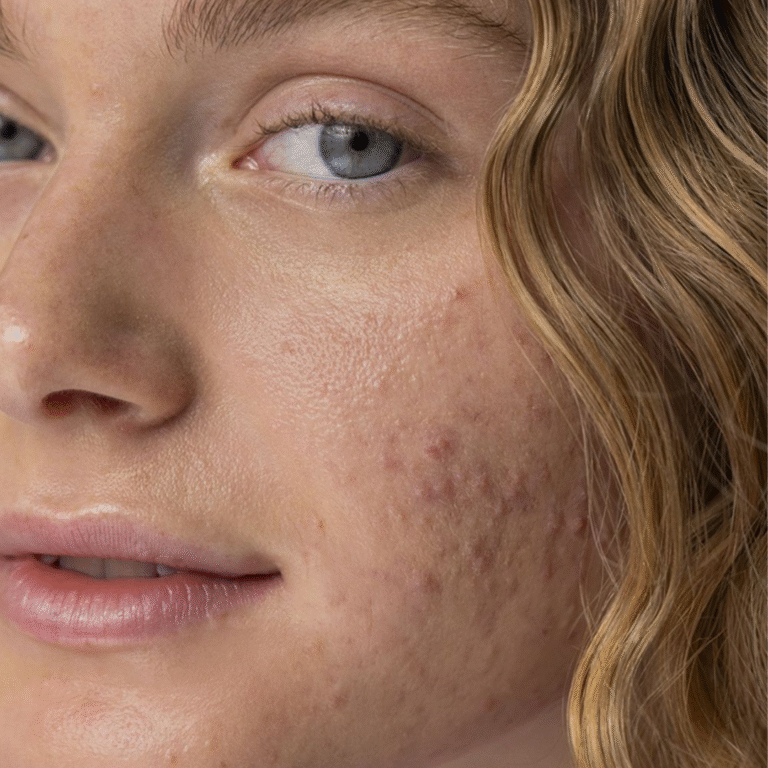
Acne itself isn’t a direct cause of redness, but pimples and breakouts can lead to stubborn red spots on your face. This redness occurs due to inflammation from the pimple, and it can worsen if the skin is irritated or scratched. Proper care and soothing skincare can help calm the skin and reduce the appearance of these red spots
Why Does My Face Get Red So Easily?
And, some individuals are more likely to get red in the face than others even in some situations that might not normally make most people blush. It may be due to your genetics, skin type or how reactive you are to your environment! A red face can also be present when blood flow to the skin increases as a result of heat, exercise or emotions, such as anger or embarrassment.
How to Reduce Redness on Face Quickly
If you’re looking to find out how to get rid of redness on face quickly, there are a few measures that may just do the trick:
- Cool Compress
A cool compress on your face may soothe swollen, irritated or inflamed skin. The cool temperature will cause blood vessels to contract and soothe inflammation.
- Moisturize
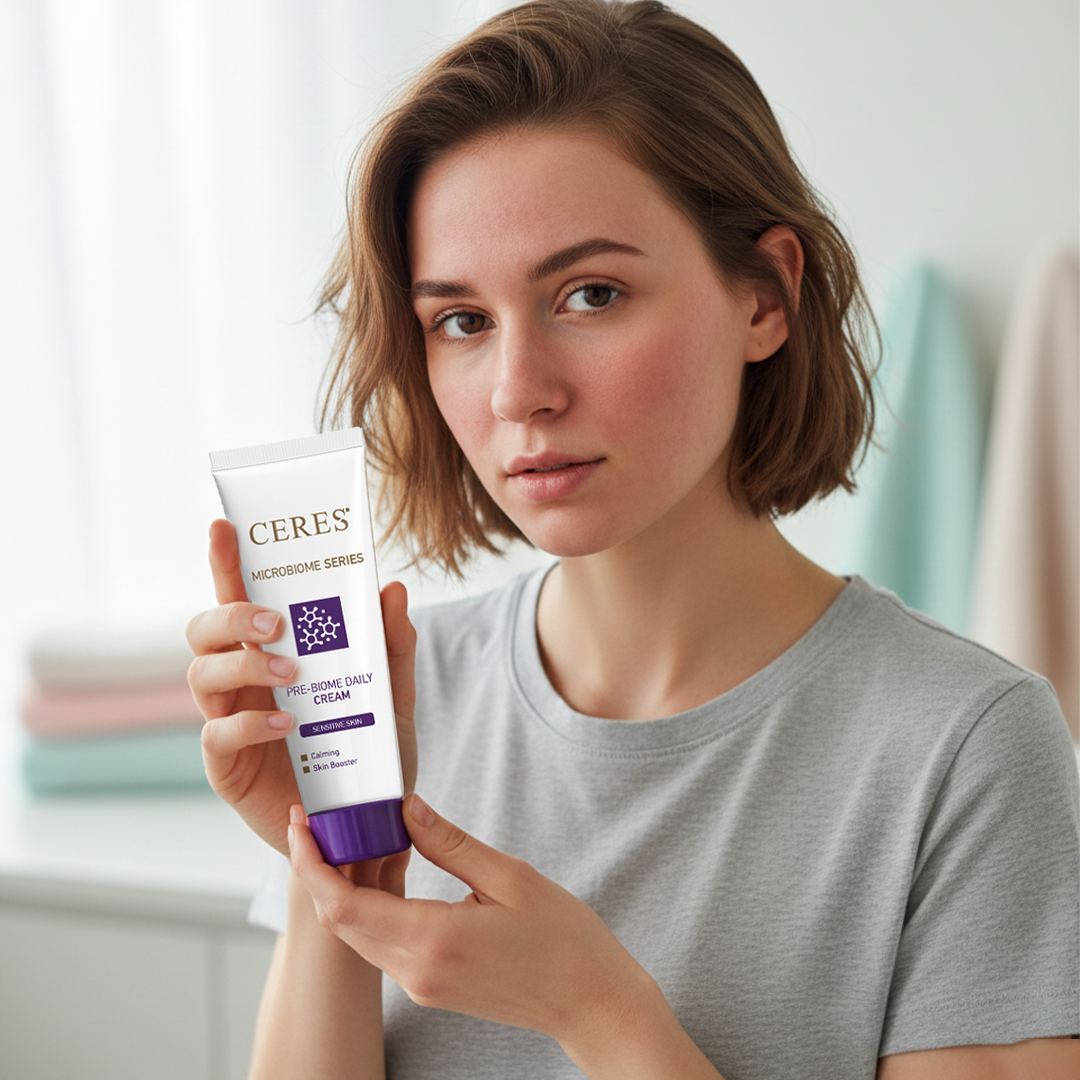
A gentle, hydrating moisturizer can also help shield your skin from any additional irritation. Opt for products meant for sensitive skin to prevent further redness.
- Aloe Vera
The use of aloe vera can aid to decline facial redness fast. Its cooling and aromatic features work wonders to soothe irritated skin — particularly after spending time in the sun or following a breakout.
- Avoid Triggers
Key is to identify and avoid triggers. “If you know that some foods or activities make your face red, try to avoid them in the future to help things from flaming up
How to Get Rid of Redness on Face Overnight
But if you’re looking for how to get rid of redness on face overnight, here’s an easy plan to help calm your skin before bed:
- Gentle Cleanser
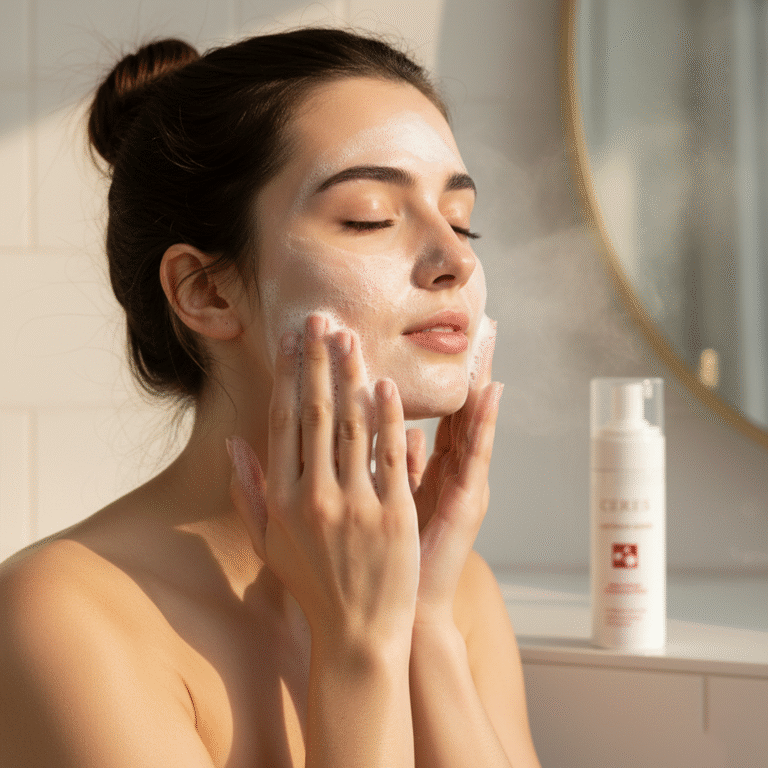
Limited the use of non-irritating cleanser to wash your face before bedtime. Mild cleansers can further irritate redness and dryness, so use something gentle and moisturizing.
- Night Cream or Oil
Night creams or oils that contain soothing ingredients like chamomile or rosehip oil can support the overnight repair of your skin. These products go to work while you sleep, calming inflammation and reducing redness.
- Stay Hydrated
You want to be drinking water before bed, since one sleepy-time skin benefit is that it’s hydrated enough to camp out in and recover from the day’s inflammation. Rain can make dehydrated skin red and irritated.
When Should You See a Doctor?
If you’re thinking, “How come my face is always red?” or “Why does my face get so red for no reason?”, it may be time to talk with a dermatologist. Persistent redness could be a symptom of an underlying skin condition that’s more serious, such as rosacea, and in some cases may need to be treated with prescription medication or another kind of treatment.
You should also seek medical assistance if the burning sensation in your face just affects the skin, or if that redness is caused by pain, swelling, or a rash that remains.
Conclusion:
Facial redness can occur due to factors like emotional reactions, skin conditions, sun exposure, or allergies. Identifying the cause is important for effective treatment. If you’re wondering why redness persists, it could be linked to inflammation or irritation. The solution lies in using gentle skincare that calms and restores balance.