Retinol is one type of vitamin A used for skin care. It is used to treat acne and has antiaging effects. You can purchase retinol over the counter (without a prescription) or talk with your healthcare provider about how retinol may work best for your skincare routine. Your treatment may be medications that contain more potent doses of retinoids than those you can get over the counter.
For starters, it’s a topical treatment, which means you put it on top of your skin. There are many forms of retinol, which include:
- Creams.
- Gels.
- Lotions.
- Ointments.
- Serums.
Some cosmetic products also contain retinol.
How does retinol affect the skin?
Retinol stimulates the production of new skin cells (proliferation). It helps unclog pores. Retinol also exfoliates your skin and boosts collagen production, which can help minimize the look of fine lines and wrinkles so your skin looks more refreshed and plump.
What is treated by retinol?
Numerous over-the-counter retinol creams promise to smooth out your complexion. If these don’t work, you can ask a dermatologist (a doctor who specializes in skin conditions) about prescription-strength products that are stronger. Research has found that topical retinoids are an effective treatment for acne, acne scarring and stretch marks. Retinol also has antiaging effects. Now, retinol is excellent for the following:
Retinol for acne
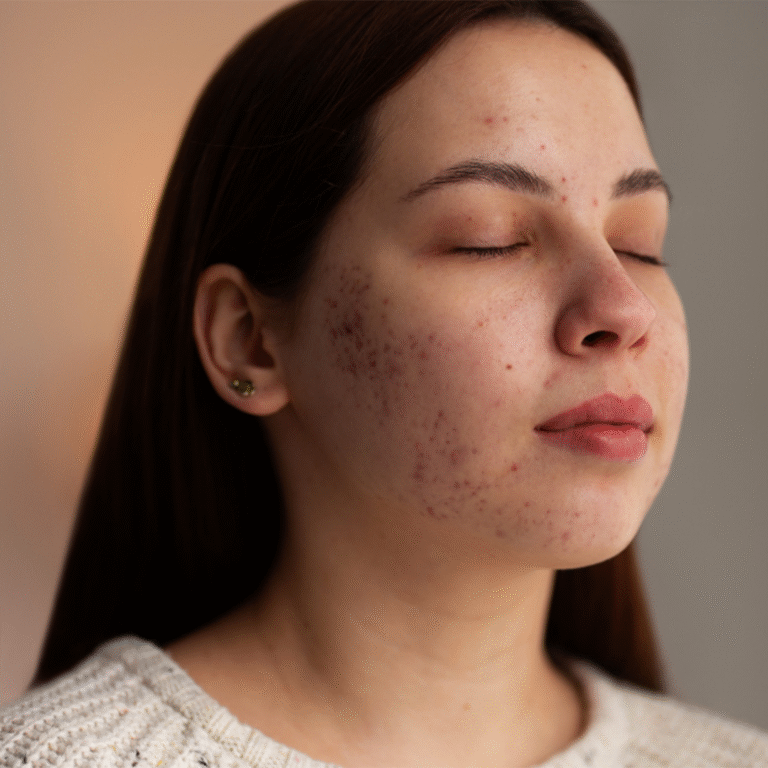
Acne is a prevalent skin condition. Blackheads, whiteheads or other types of pimples can result when your pores are clogged with dead skin cells and/or oils. When it comes to acne, retinol prevents clogged pores. During the first few months on topical retinoids, your acne might look worse than it ever did before — the “retinoid purge” is real for a lot of people, and you’re not alone if this happens. But if you can hang in there, your skin will look better.
Retinol for acne scars
Postacne Scars Scars that have developed after acne are due to damage to tissue accompanied by inflammation. These pink, red or magenta spots on your skin may crop up as your acne heals and can stick around for quite a few weeks. Picking and popping your pimples does more harm to the skin and can also cause scarring. Using topical retinol treatments can help you to diminish some of the swelling and inflammation that accompany a breakout, as well as prevent future breakouts. But topical retinol doesn’t work on types of severe acne scars that are sunken (or pitted) or wavy.
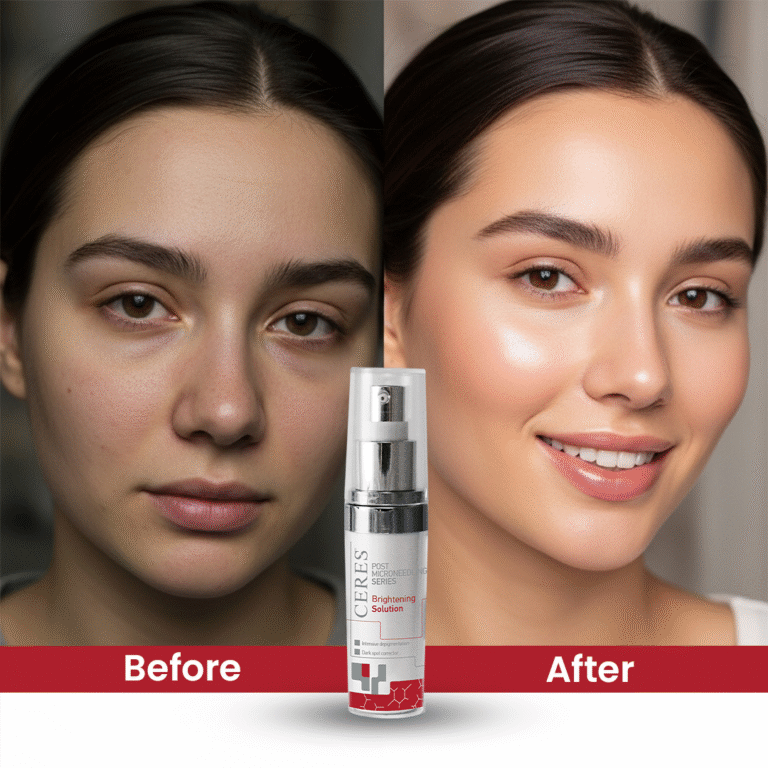
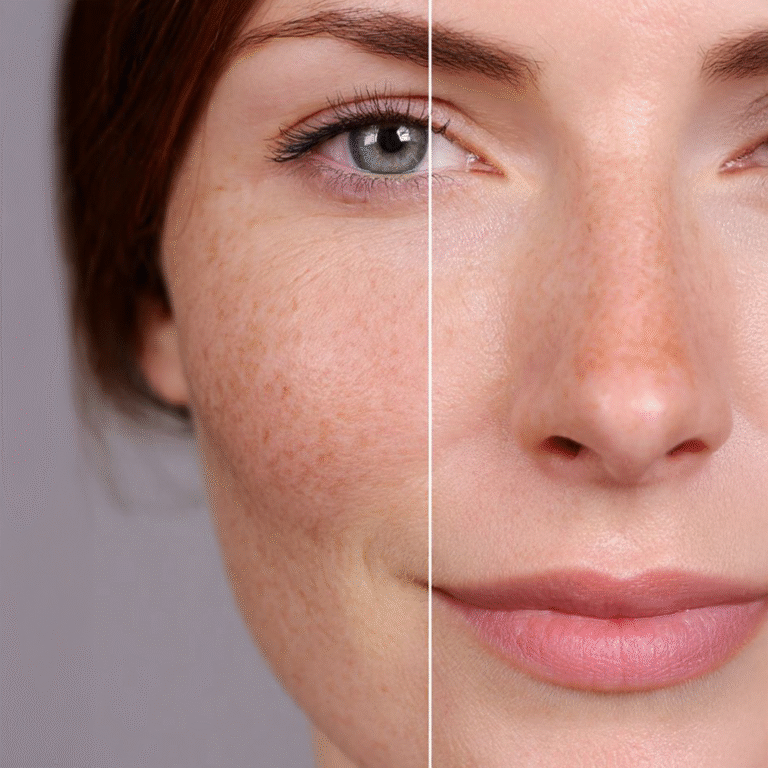
Retinol for dark spots
Sun-damaged skin can cause dark spots (hyper-pigmentation). If you have light brown to dark brown spots that appear on your face, hands, neck or arms, what you’re seeing is a buildup of melanin — the natural pigment that gives your skin its colour. Otherwise known as sun spots, age spots and liver spots, these marks are painless, yet there are still treatments and topical products that can help if you don’t like how they look. Some people also see their skin spots lighten with topical Retinol, which you are supposed to apply for months and which I find irritating. It’s not a bad idea to consult with a dermatologist (a medical doctor who treats conditions of the skin) if you’re worried about dark spots.
Retinol for large pores
Pores are openings in the surface of your skin through which hair and oils can be secreted. As they become clogged with dead skin cells, dust and oil, your pores balloon and appear larger. Topical retinoids work on large pores by increasing the turnover of skin cells, so your skin becomes thicker, and keeps those pesky “clogged” pores from forming.
Retinol for melasma
Melasma is yet another frequent skin condition that causes dark spots or patches on sun exposed area. Exposure to light, heat and some hormone levels causes you to produce more melanin, resulting in these flat or freckle-like patches that are light brown, dark brown or blue-gray. Melasma is most likely to occur when pregnant. If you are pregnant, you should consult your healthcare provider before using oral or topical medication or supplements. If you’re not pregnant, a topical retinoid (tretinoin) can help fade melasma spots.
Retinol for psoriasis
Psoriasis is a disease that people get because of inflammation, which occurs when the immune system sends signals to cells in the skin. These new cells accumulate, forming thick, scaly patches that are pink or red. Topical retinol, for example, slows the overgrowth of skin cells and reduces inflammation, which might be beneficial for the rash. But retinol can also exacerbate your skin, so your doctor probably will advise using retinol along with a topical steroid.
Retinol for stretch marks
Stretch marks are those scars that come from the stretching of your skin during pregnancy, weight gain, excessive weight losses or quick muscle growth. The marks start pink, red or purple and then turn to silvery white as they fade. Topical retinol may help reduce the appearance of stretch marks, but discuss it with your doctor before using it during pregnancy or while breastfeeding.
Retinol for wrinkles
There are some causes of lines and wrinkles. In old age, your skin cells divide more slowly. The dermis, the middle layer of your skin, starts to thin out. It does get harder for you to retain moisture, and that lovely elastin and collagen are diminishing as well. Topical tretinoin and tazarotene can help make fine lines and wrinkles look better by slowing the breakdown of collagen and making your skin more elastic. Topical retinol usually requires a few months of consistent application to convince you it’s working.
List the Products that Contain Retinol.
- Anti‑Aging Cream with Hyaluronic Acid & Snow Algae
- Anti‑Wrinkle Cream with Soya Glycine & Hyaluronic Acid
- Brightening Cream: Vitamin C & Niacinamide for Radiance
- Eye Contour Cream: Hydrate, Firm & Reduce Puffiness
- Oil Controlling Stop Cream
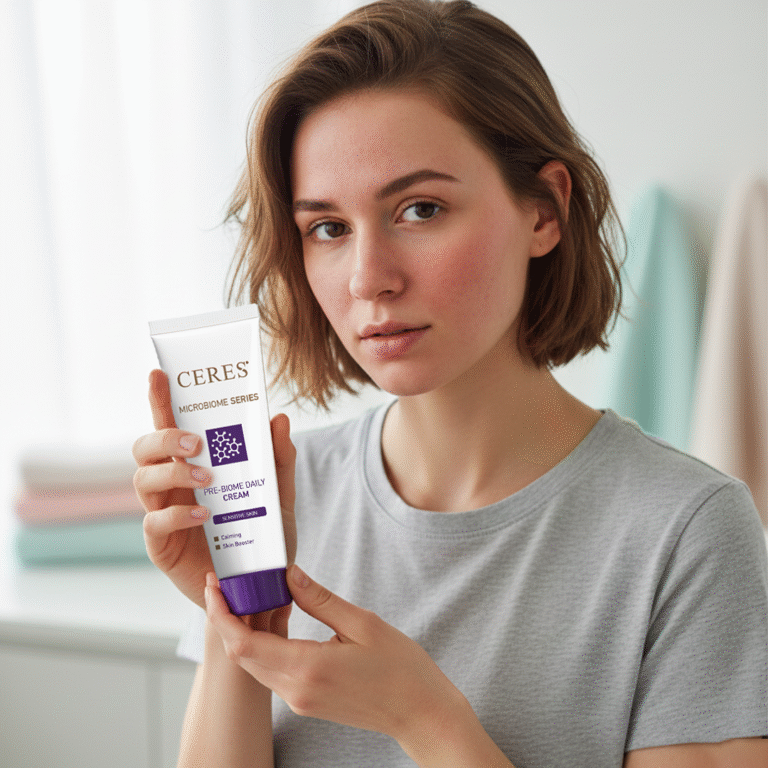
- Pre‑Biome Daily Cream for All Skin Types with Squalane
- Pre‑Biome Daily Cream for Sensitive Skin with Shea Butter
- Regenerative Body Lotion: Beta Glucan & Vitamin E Repair
Explore all the detailed benefits of Ceres Derma products and discover how each one can enhance your skincare routine with targeted solutions for healthy, radiant skin
Retinoids are beneficial. Are there any drawbacks?
There are certainly side effects for both retinols and retinoids, but I want to stress that they’re temporary three or four weeks. The most frequent side effects I encounter with patients include redness, dry and scaly skin and itching or burning. In some cases, those who already suffer from naturally dry skin can even experience nosebleeds and cracking at the corners of the mouth.
Retinoids also result in increased sensitivity of the skin to UV light for a period of time after first use. But a few months of unadulterated use, and that sensitivity fades. So then you have to be wearing sunscreen every single day, which we should probably all do anyway.
These changes range from relatively mild to nearly intolerable. There are, however, tricks to help soothe irritation. For example, when someone is starting retinol or a retinoid for the first time, I instruct patients to begin with a low dose one night a week, then gradually work up to two nights and so on. Another routine I’m a fan of is beginning a daily application of the retinoid/retinol, but using it with a moisturizer (like one containing hyaluronic acid or dimethicone). After a few weeks, peeling effects will subside , but the goodness of basil leaves will continue.
I have a whole regimen of things that I do and let my patients use when they’re starting topical retinoids, including hyaluronic acid to lock in moisture, occlusive moisturizers like rich cream or even vaseline.