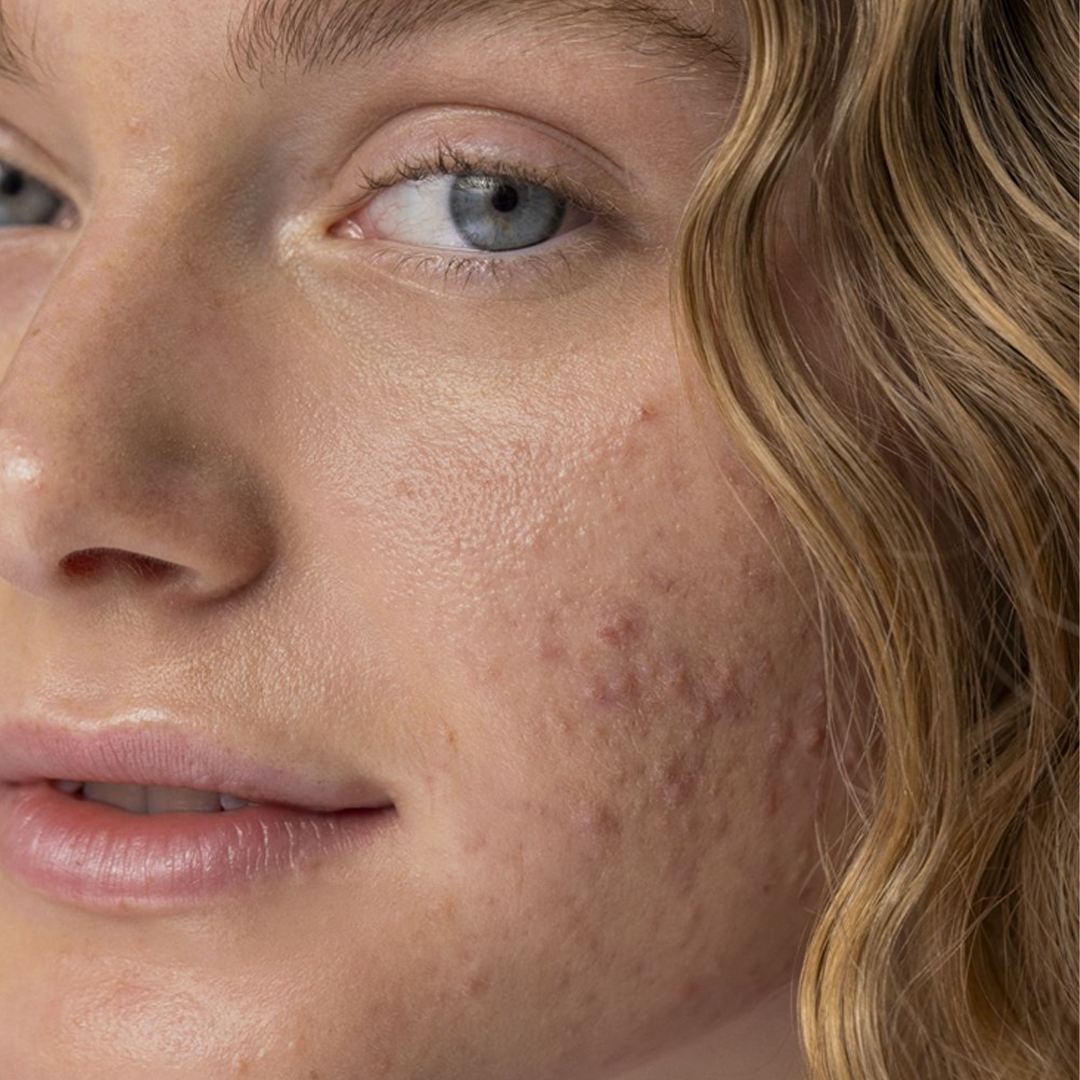
If you’ve ever deal with bumpy skin anywhere on your face, arms or on your body, well, you are not alone. Dealing with uneven skin texture is one of those frustrating things that just about everybody has had to deal with at one time or another, right? But what causes the skin to become rough and bumpy? And, most significantly of all: What do you do about it? In this article, we’ll explore just how your skin could come to feel roughened, what products can help you smooth it back out and ways to get your skin feeling soft and smooth again.
Causes: Rough and Bumpy Skin
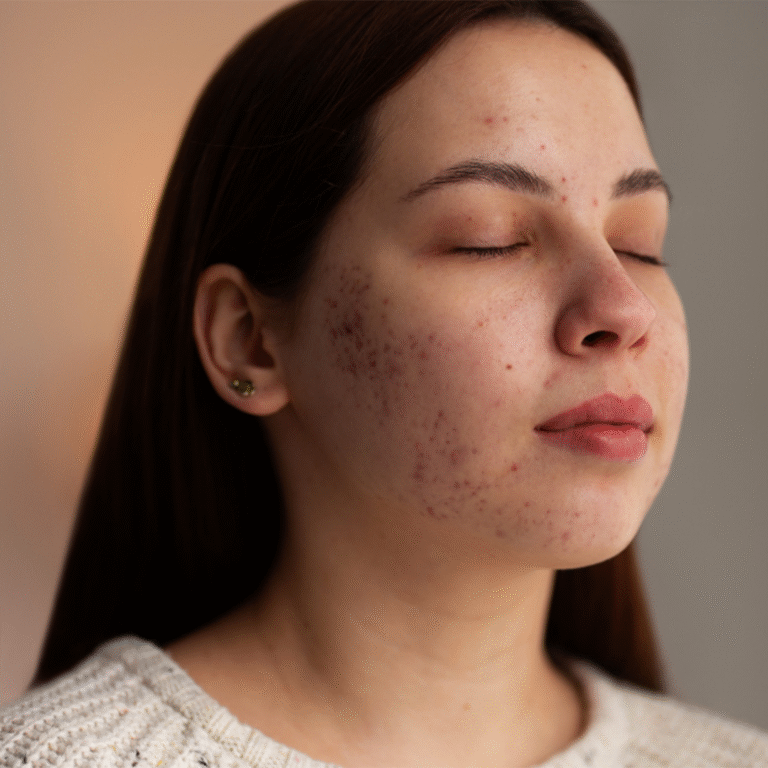
Skin that is rough and bumpy can be caused by the normal process of dead skin cells forming and building up on the skin, or it can indicate an irritation of some kind. Rough And Bumpy Skin Causes: What Are They?
- Keratosis Pilaris: One of the most common causes of bumpy and rough skin is Keratosis Pilaris. With keratosis pilaris, hair follicles are clogged with keratin, a protein in the skin. This results in small, hard bumps that can pop up on the face, arms or legs. On the arms, where people talk about having “chicken skin.”
- Dry Skin: The skin feels dry or rough because of a lack of moisture in that area. This dehydration can result in flakiness and texture, which can leave your skin feeling rough to the touch.
- Irritation and Allergic Reactions: Sensitivities to some skincare products or environmental factors can make your skin irritated, resulting in rough patches and bumps. This can be particularly noticeable on more sensitive parts of the body like the face and arms.
- Too Much Oil or Clogged Pores: When your skin creates too much oil or pores get clogged with dirt, oil that sits on the skin can bring about rough, uneven patches and lead to blemishes.
- Sun Damage: Excessive sun exposure can cause damage to the skin, which also increases the likelihood of rough and bumpy skin. Thickened patches of skin and surface irregularities often result from sun exposure.
Why is my Skin Suddenly Rough and Bumpy?
It makes sense to be curious as to why your skin has suddenly turned rough and uneven. Abrupt skin changes can be explained in a number of ways:
Meteorological Variations: Rapid changes in temperature, such as moving from a warm and humid environment to a cold and dry one, can decrease skin moisture and temporarily make skin rougher and bumpier.
Chronic Stress and Associated Hormonal Fluctuations: Stress can cause a number of biological changes associated with an individual’s hormonal profile. These changes can lead to alterations in skin texture, such as the appearance of rough patches.
Irritation Due to New Topical Products: Developing new, rough, bump skin from a body lotion intended to help with rough and bumpy skin is possible. Subsequently, irritation from the new product may occur.
If your skin has recently become rough and bumpy, it may be necessary to examine changes in your lifestyle and skin product regimen.
How to Treat Rough and Bumpy Skin
There are so many ways to improve the texture of your rough, bumpy skin if you’ve got it. Here are a few tips and product suggestions:
Exfoliate Regularly: Exfoliating on a regular basis can help clear dead skin cells and dirt, thus not allowing your pores to get clogged. Find exfoliating products with alpha-hydroxy acids and/or beta-hydroxy acids that help shed dead flakes while revealing smoother skin cells. One option is to take a body wash for rough and bumpy skin, which contains mild exfoliating ingredients.
Drink Water: One of the easiest things to do, however, is also one of the most important: keeping your skin hydrated. When applied as directed, this rub-soothing lotion will help to keep skin soft and prevent it from drying. Just make sure to select a lotion that corresponds with the skin type you’re concerned about, whether that’s a heavy body lotion for bumpy and rough skin or a lighter moisturizer designed specifically for your face.
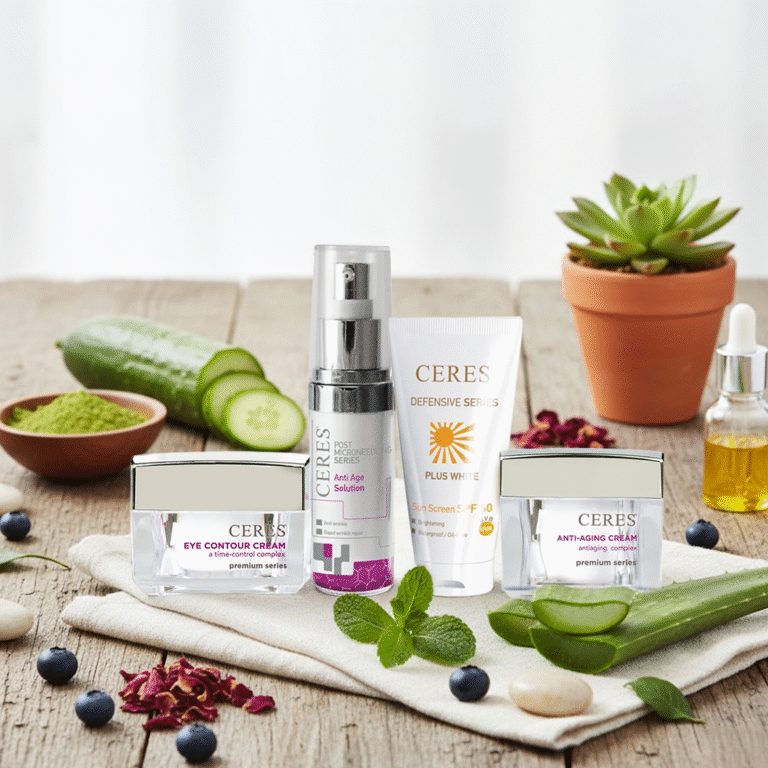
Give Ceres Derma’s Smooth Skin Cream a try: If you are looking for an effective bumpy skin cream, we recommend giving Ceres Derma’s Smooth Skin Cream a try to remove rough skin. This unique cream is the ultimate in that it gently, but effectively, helps control KP and other dry skin concerns while providing moisture. Formulated with a powerful combination of skin-loving ingredients, it moisturizes as it exfoliates, the end result being smoother and more even-toned.
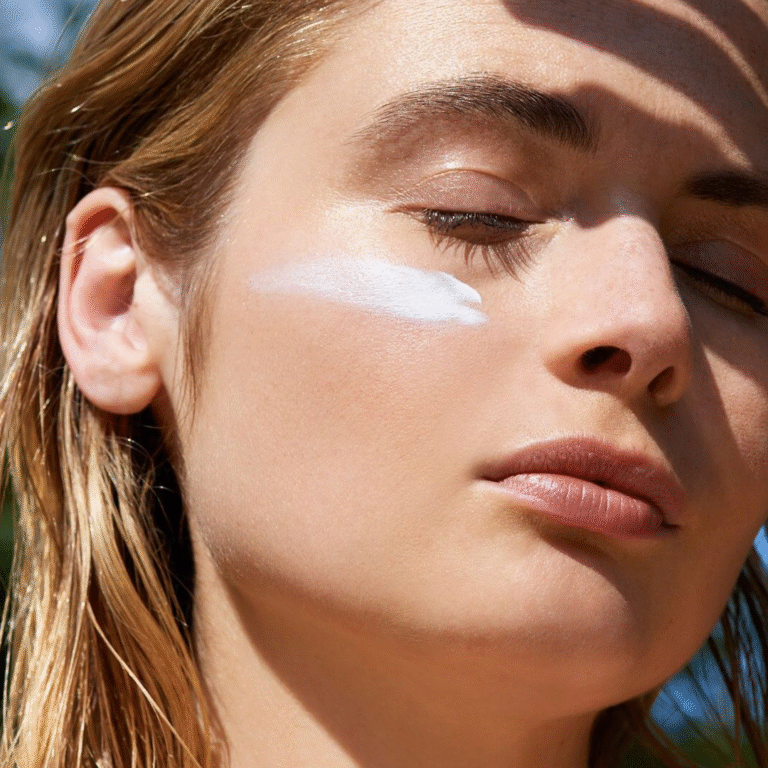
When do you apply it? Sun protection: Always (especially when treating rough and bumpy skin). Sun can make rough patches worse, though, so if you’re going to be in the sun, sunscreen every day will protect your skin and not allow for more damage.
Best Lotion for Rough and Bumpy Skin
The secret to smoothing skin is a good lotion. Seek out products that are promise to exfoliate as well as hydrate. The best lotion for rough and bumpy skin is one that:
- Exfoliate: Give a little extra push to those dead skin cells causing the texture issue.
- Hydrate: Always moisturise the skin and avoid dryness.
- Relax and Calm: Provide comfort from irritation and redness.
Products such as Ceres Derma Smooth regenerative body Lotion for face, body & hand are great options. Infused with moisturising and exfoliating agents, this lotion restores rough skin to a smooth, healthy texture. So whether you have rough and bumpy skin on your face or body, this best-selling moisturiser can help get the job done.
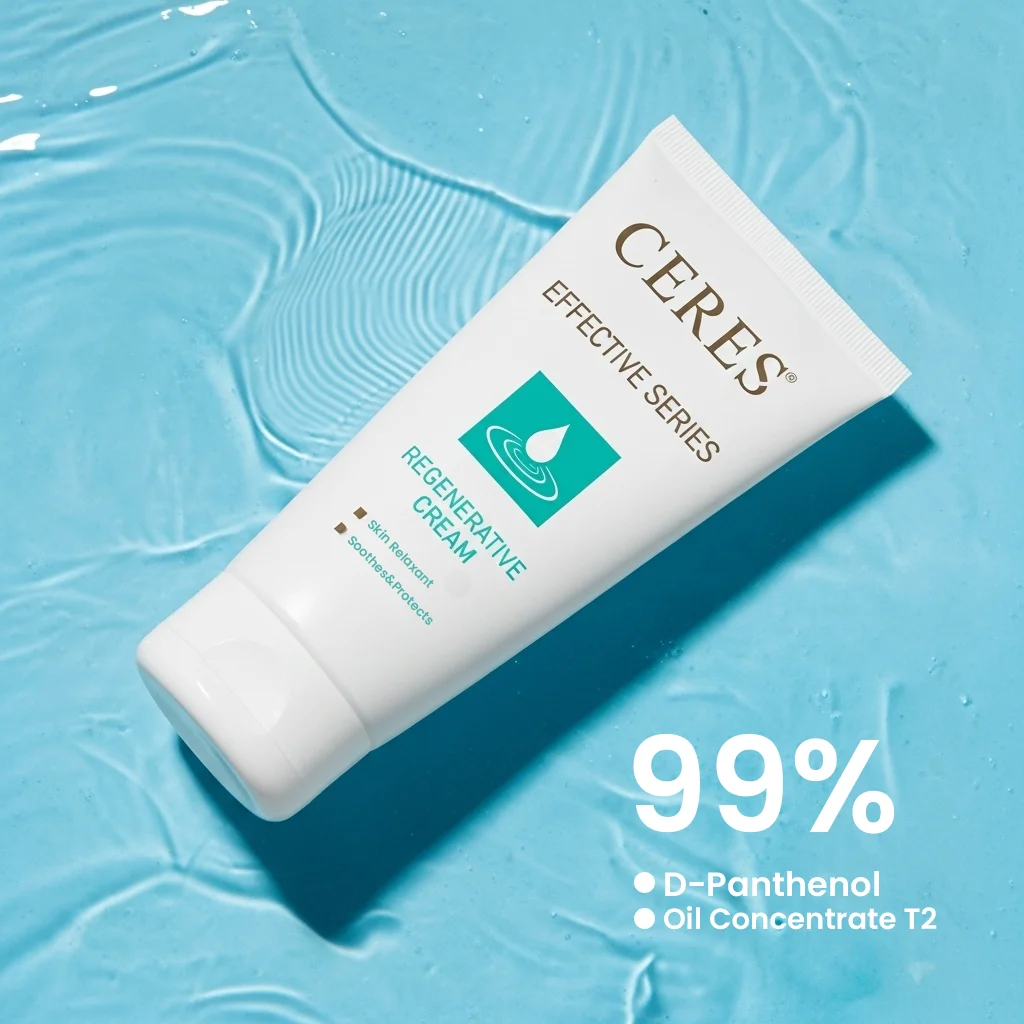
Regenerative Cream with Beta Glucan & Vitamin E 50ml /200ml
- D-Panthenol
- Oil Concentrate T2
This Regenerative Cream with Beta Glucan and Vitamin E (50ml/200ml) deeply nourishes and rejuvenates the skin. Beta Glucan helps hydrate, soothe irritation, and strengthen the skin’s barrier, while Vitamin E provides antioxidant protection, reducing fine lines and promoting a smoother, youthful complexion. Ideal for dry, sensitive, or aging skin.
Conclusion
Many things can contribute to rough and bumpy skin, including dry skin or conditions like keratosis pilaris, and the good news is that there are plenty of effective treatments that can help smooth rubbery skin. If you regularly exfoliate and hydrate, as well as use the proper products, you can treat the underlying cause of bumpy skin.