Broken hairs are such a buzzkill. You may be wondering, “ How to Stop Hair Loss” Don’t worry, you’re not alone. The secret to repairing damaged hair is figuring out what’s responsible for the damage. Here’s how that’s happening and what you can do.
Understanding Hair Breakage
First, let’s clear up terminology. Closs explained that shedding hair is one thing, and breakage is another. Hair shedding is a normal part of the hair’s life cycle. A hair sheds from the root and a new one will replace it. When the hair shaft snaps instead, it is known as breakage. Weak hair is brittle hair and ends up breaking.
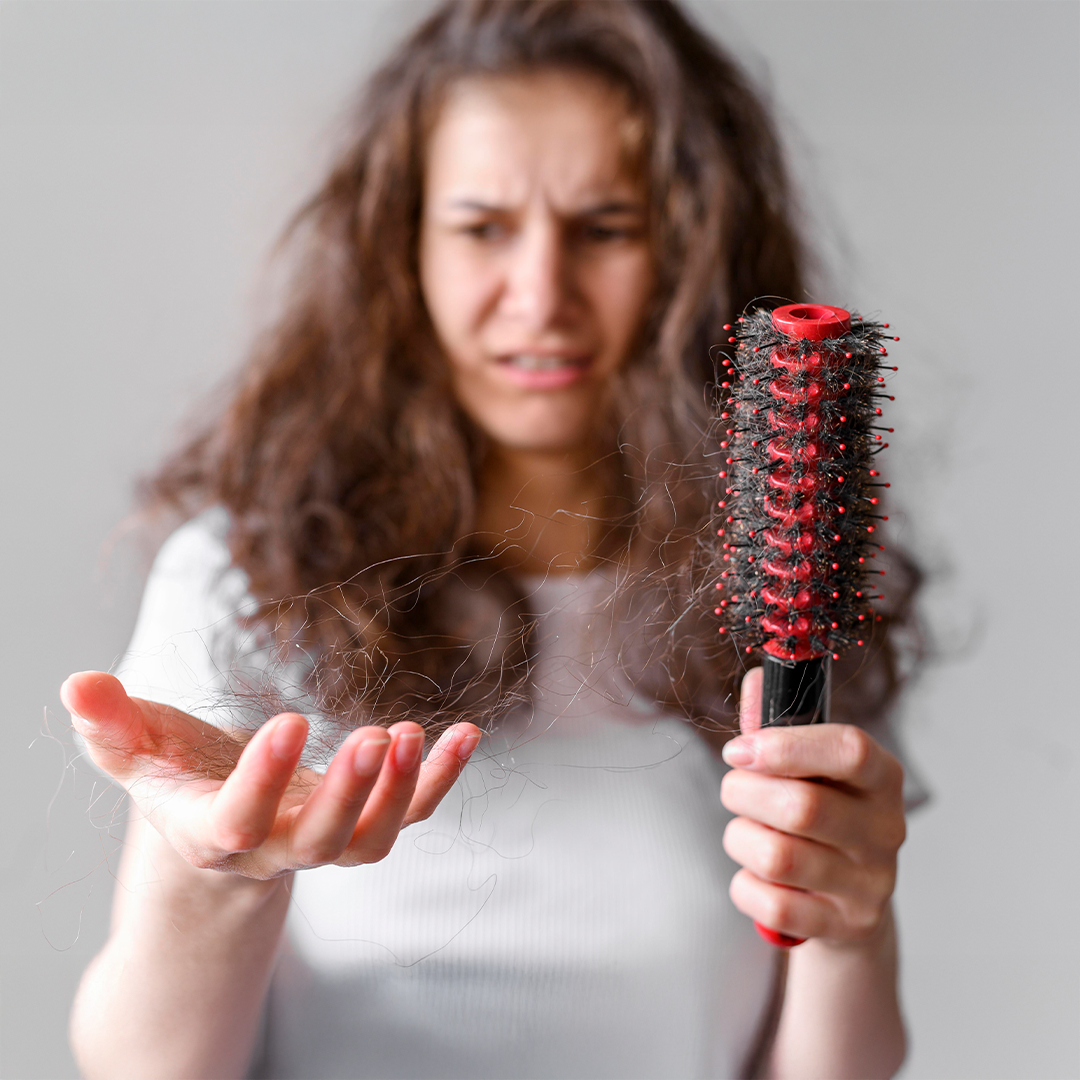
So, how does hair breakage look? You will likely notice some short, inconsistent lengths of hair. These might wind up on your brush post-styling, or sticking out along your part forming a “halo” of frizz. Indeed, a single strand of shed hair will normally have a tiny white bulb at its tip.
How to Fix Damaged Hair?
Your hair can be damaged from heat styling, chemical treatments or outside elements. Hard Bonnet Hair Dryers for Natural and Black Hair If you have dead ends or are experiencing your hair snapping off it is important that you need to follow a proper hair care routine which will help restore its former health. Below you will find ways to repair and prevent hair snapping:
- Detangle hair with wide-tooth comb to avoid breakage.
- Try shampoo for dry hair to add moisture.
- Deep condition at least once a week.
- Limit use of high heat styling to avoid hair snapping.
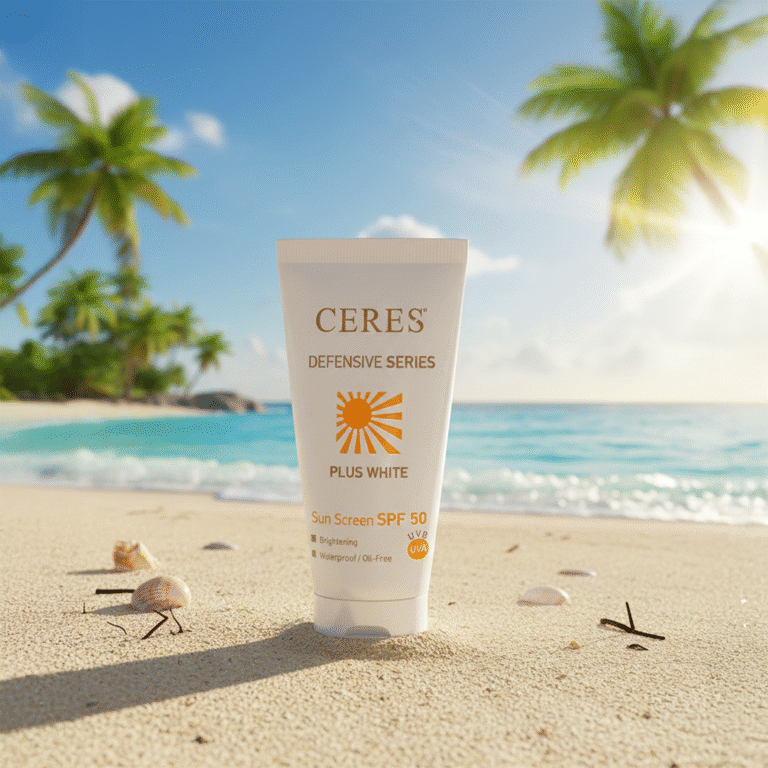
- Prevent hairs from being damaged by chemically and sunlight.
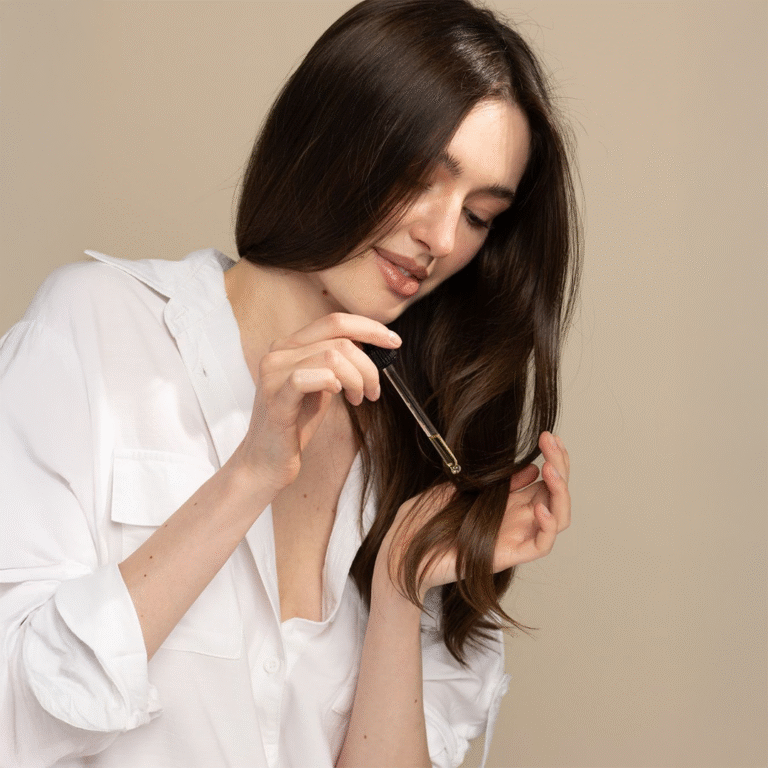
- Add nourishment with hair oils or serums.
Hair Breakage Close Up
An up-close view on breakage and damage, highlighting one of the signs of styling damage, snapped strands and heat damage. To care for and repair the damage, this close-up speaks to the visuals.
How to Know if Your Hair is Damaged?
Some additional indications of hair breakage besides split ends. Let your hair fall loose around your face and if* *you can see the ends very well you are very lucky, we all know what a ‘Y’ looks like and this is basically the shape of an end that has split. Another subtle difference might be in your hair’s texture. Good hair tends to be flexible and silky. On the other side, damaged hair may appear straw-like, dry and course. It would also knot very easily, and become difficult to comb. If knots and tangles have made your life way too difficult, consider doing a damage control job instead.
Common Causes Hair Breakage
So why does this happen? “There is damage to the cuticle, which is like the skin of hair.” As the cuticle disappears, the cortex of your hair becomes weak and vulnerable. Several factors can cause this.
Heat Styling
Your straighteners, curling wands and hairdryers are all well and good but we know that they can be rather brutal to your hair. Hot temperatures remove moisture from the shaft of the hair resulting in dry and weak hair. One of the major contributors to damage is using these tools too frequently or at too high a heat.
Chemical Treatments
Chemicals accomplish this by altering the structure of your hair with coloring, bleaching, perming, or relaxing treatments. These processes can stress your hair out even if they give you a look you love. It is also easy to overprocess your hair, or not give it sufficient rest time between treatments leading it to become extremely weakened, breaking and otherwise damaged.
If you have just dyed your hair and are looking for ways on how to get hair dye off skin, be sure to do so as soon as possible. So whether you’re wondering how to get black hair dye off skin, how to get red hair dye off skin, or the best way of getting hair dye off skin when it’s dried on using mild cleansers or oils can lift those stains out without causing irritation to delicate skin.
Your Daily Habits
Sometimes you cannot see how near the cause really is. If you brush your hair with too much force, particularly when it’s wet and more elastic, it can snap and break. Hair ties that are too tight and anything you have to pull on, such as braids or a tight ponytail, can also cause breakage from constant tugging on the hair shafts. Even towel-drying your hair too roughly can damage and roughen its cuticle.
Environmental Factors
The surroundings also affect your hair. It can lose moisture when exposed to the sun, wind, or dry indoor air. Chlorine from pools can be particularly harmful if you like swimming, as it strips away the natural oils from your hair.
How to Restore Your Hair's Health
If you want to prevent hair breakage, take care of it gently and watchfully. Cut down on heat styling and when you do, use a heat protectant. Upgrade your wash‑day routine with sulfate‑free shampoo and conditioner. You can also give your hair a weekly deep‑conditioning treatment to increase moisture levels. Treat your hair gently and dry/comb with care.
Method: Use a microfiber towel or an old cotton t‑shirt, and start brushing at the tips. To keep it healthy and achieve long‑term care, be sure to go in every six to eight weeks for monthly maintenance. Also, eat a healthy diet that is rich in vitamins and protein to help cultivate your hair from the inside.
Recommend the Ceres Derma for hair solutions targeted repair and nourishment. And if you’re experiencing loose hair completely (i.e., noticeable shedding or thinning), you can also try hair‑solutions (treatments, serums or consult a specialist) to address the root cause
Conclusion
Hair can break due to excessive use of hot tools, harsh chemicals, rough handling and weathering. To repair it, be gentle with your hair, opt for moisturizing products and lay off the heat. Test drive Ceres Derma for spot repair, and if you’re contending with thinning or shedding, professional work might be the way to go. If you care for it properly, your hair can be healthy and strong