Managing oily skin can sometimes seem like a juggling act: clean one minute, shiny the next. An excess of oil can clog pores and lead to breakouts, so it can be a real challenge to find out what works. But dealing with oily skin doesn’t have to be daunting. So, with good habits and a solid routine, you can work those out of your skin.
This guide is going to help you create an uncomplicated and effective regimen for oily skin. You will have individual instruction on every step, starting with cleansing and ending with sunscreen, along with tips to master shine and take skin care for oily skin.
Understanding Your Oily Skin
Before you purchase products, it’s good to know why your skin is oily. Sebaceous glands normally secrete what is called sebum, which helps to keep skin moist, but if it becomes overactive an excess of oil can appear.Genetics, hormones, and even the weather can cause this overproduction of oil.
It doesn’t do a thing for blemishes and actually, it could stimulate them because if you remove all of your skin’s oil, your skin will likely produce even more to make up for feeling stripped. Embrace equilibrium: Clear the oil away and let your skin’s natural moisture barrier do the rest.
What is the best skincare for oily skin?
The right products are key. The best skincare for oily skin is all about embracing those lightweight, non-comedogenic formulas that won’t suffocate your pores. Stay away from thick creams and oily lotions, which can cause breakouts. Instead, opt for products that even out oil and keep skin moisturized without weighing it down.
Look for these ingredients:
- Salicylic Acid: An oil-soluble beta Hydroxy acid (BHA) penetrates deeply into pores to dissolve oil and dead skin.
- Niacinamide: This type of vitamin B3 is a heavy hitter when it comes to oily skin. It is balancing for sebum production, toning helping reduce the appearance of pores and smoothing texture.
- Hyaluronic Acid: Hydrating is probably the last thing you want to do with your oily skin right? It’s a light humectant that helps draw moisture to the skin, but doesn’t leave it feeling greasy or heavy.
- Clay (Kaolin or Bentonite): Clay masks help remove oil and draw impurities from the pores.
- Retinoids: Over-the-counter (such as adapalene) and prescription versions of these products can promote cell turnover and, over time, may help decrease oil production.
Building Your Morning Oily Skin Routine
Your morning one should clear away overnight oil and buildup, then protect skin from life under the sun and casting off pollutants. This is the ideal skin routine for oily skin to start your day right and keep your skin fresh and balanced. Gentle, lightweight protection and cleansing is the key to help balance a complexion that’s oily all-day long.
Step 1: Gentle Cleanser
Use a light, fluffy cleanser as your first step of the day. Skip aggressive cleansers that leave your skin feeling tight or dry. A salicylic acid cleanser can go a long way in clearing out pores and controlling excess oil. Apply it to wet skin, massage away for about a minute and rinse off with lukewarm water.
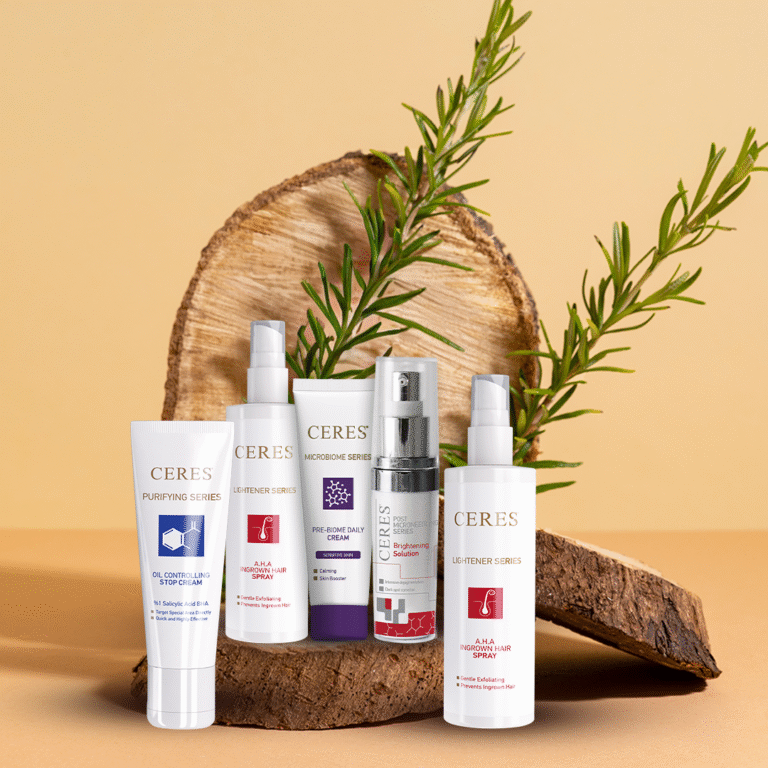
Dr Nadia Recommended the Oil Controlling Cleansing Foam
Step 2: Toner
Try a toner that’s free of alcohol to wipe away remaining oil, adjust pH, and prep skin for treatments. Pick up one with niacinamide or antioxidants. Apply using a cotton pad or your hands to allow your skin to absorb whatever comes next.
Step 3: Lightweight Moisturizer
You need to moisturize, even if your skin is oily. Skipping it could cause your skin to produce even more oil. Choose a gel or lotion moisturizer that is oil free and non-comedogenic. Hyaluronic acid is particularly nice, because it’s hydrating without making everything heavy.
Dr. Nadia suggested the oil-controlling cream this is the Lightweight Moisturizer for all type of skin
Step 4: Sunscreen
In the morning, you also should always apply sunscreen to oily skin. Excessive sun can dry out and damage skin and even cause skin to produce more oil! Opt for an oil-free broad-spectrum sunscreen (SPF 30 or more), labeled “matte” or “for oily skin,” to avoid greasiness. Mineral sunscreens containing zinc oxide or titanium dioxide are also ideal for soaking up excess oil.
Step 1: Double Cleanse
Double cleansing is beneficial if you wear makeup or a heavy sunscreen. Begin by using an oil-based cleanser or micellar water to cleanse away makeup and sunscreen. Then, just cleanse with your usual water-based cleanser to fully clear your skin and pores.”.
Step 2: Gently Scrub (2-3 times per week)
Regular exfoliation 2-3 times a week will make sure your pores don’t get clogged and skin texture won’t be uneven. Dissolve dead skin cells to show off fresher ones instead by using a chemical exfoliant like a pad or serum with AHA (like glycolic acid) or BHA (like salicylic acid). Don’t over-exfoliate, which could inflame and exacerbate oiliness.
Step 3: Treatment Serums
After washing your face, apply the treatment serum. This is when you can start using niacinamide to keep oil under control or introduce a retinoid to promote new cell turnover. If you’re new to retinoids, use 1-2 times a week so your skin can adjust. Put a thin layer over your entire face.
Step 4: Moisturizer
End with the same lightweight, oil-free moisturizer as in your morning routine. This maintains your skin hydrated while you sleep without ever blocking the pores. Hydration is just as important in a proper oily skin care routine if you want to maintain a strong, well-balanced barrier.
Conclusion:
Getting the right skin care routine for oily skin will take a little time, but it’s absolutely worth doing! Rather than attempting to remove all that oil, try to balance it so the skin looks healthier and clearer. Begin with a gentle cleanser, a lightweight moisturizer and daily sunscreen. Gradually introduce things such as exfoliants and serums to address specific problems. Keep a good routine up and you’ll keep the shine at bay all while looking like you’ve been blessed with some smooth, radiant skin!