The frequency of salicylic acid application depends on its form and concentration in the product. It may take a few weeks before noticeable results appear.
Salicylic acid is a beta hydroxy acid. It is famous for clearing breakouts by exfoliating the skin and preventing pores from becoming clogged. Mild acne (blackheads and whiteheads) Salicylic acid is most effective. It can aid in keeping future breakouts at bay, too.
Salicylic acid occurs in OTC products and prescription-strength preparations
Key Benefits of Salicylic Acid
✅ 1. Helps With Acne & Breakouts
If what you’re wondering is, does salicylic acid get rid of acne primes the pump (as we say in Gellesville.) Its oil‑soluble properties keep the buildup in your pores at bay — one of the primary contributors to pimples and breakouts. Using a salicylic acid face wash or cleanser on a regular basis can also help keep acne in check.
✅ 2. Deep Exfoliation for Clearer Skin
Salicylic acid exfoliates dead skin cells and dirt, shrinking its size to that of the average man’s pores. That is not the case with scrubs, which can be irritating and make the skin red.
✅ 3. Reduces Blackheads and Congestion
Because it penetrates deep into pores, this acid works particularly well at minimising stubborn blackheads. That’s why salicylic acid serums are a part of many people’s targeted skincare lineups.
✅ 4. Improves Skin Texture
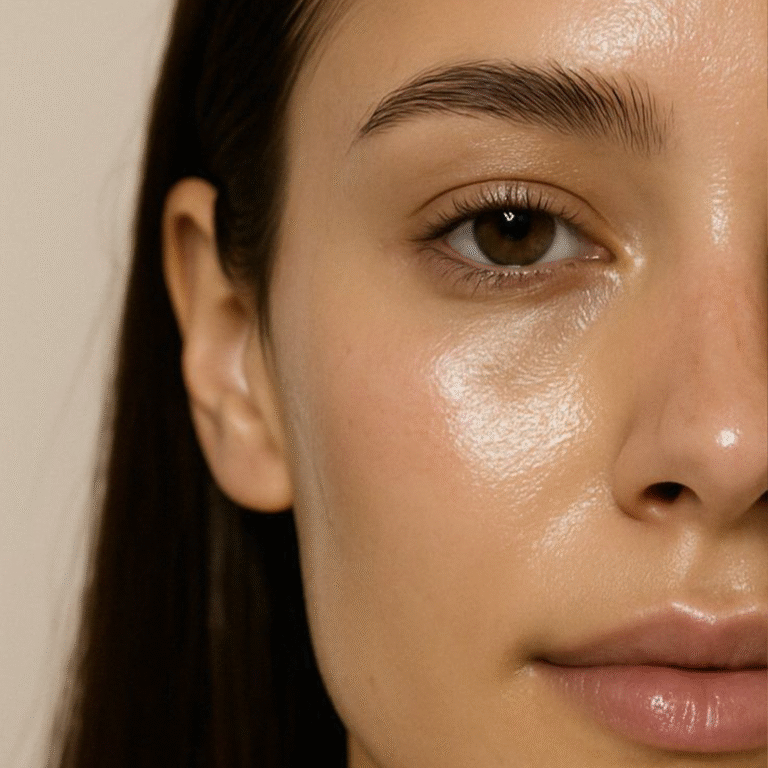
Consistent use of salicylic acid for skin produces visibly clearer skin and an overall improved complexion, providing a clear difference in your skin.
How does salicylic acid help with acne?
Open clogged pores are blackheads, closed plugged pores are whiteheads, and raised, red bumps that indicate inflammation can pop up in the form of pimples.
The salicylic acid seeps inside the skin, exfoliating it and dissolving away the dead cells that are clogging your pores. You may not feel the full effect for a few weeks of treatment. Visit a dermatologist if you notice results after 6 weeksTrusted Source.
What form and dosage of salicylic acid is recommended for skin care?
Your doctor or dermatologist will guide you on the best form of salicylic acid for your skin type and its condition. If you have not used these types of treatments before, they may also recommend you try applying just a small amount of cream or ointment to begin with. To test how your skin will react, you can apply a small amount to a patch of irritated skin for 2 days before applying to a larger site.
Salicylic Acid Dosage Table
| Form | Percent of Salicylic Acid | How Often to Use |
|---|---|---|
| Gel | 2% to 7% | Once per day |
| Lotion | 2% | 1 to 3 times per day |
| Soap | 0.5% to 3% | As needed |
| Solution | 0.5% to 2% | 1 to 3 times per day |
How to Use Salicylic Acid on Your Face
Salicylic Acid Cleanser & Face Wash
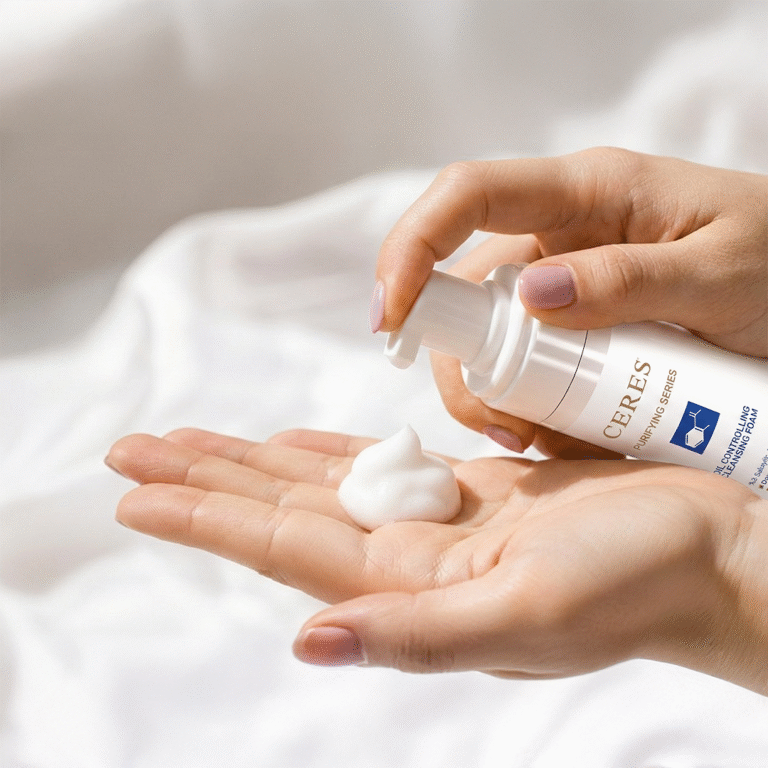
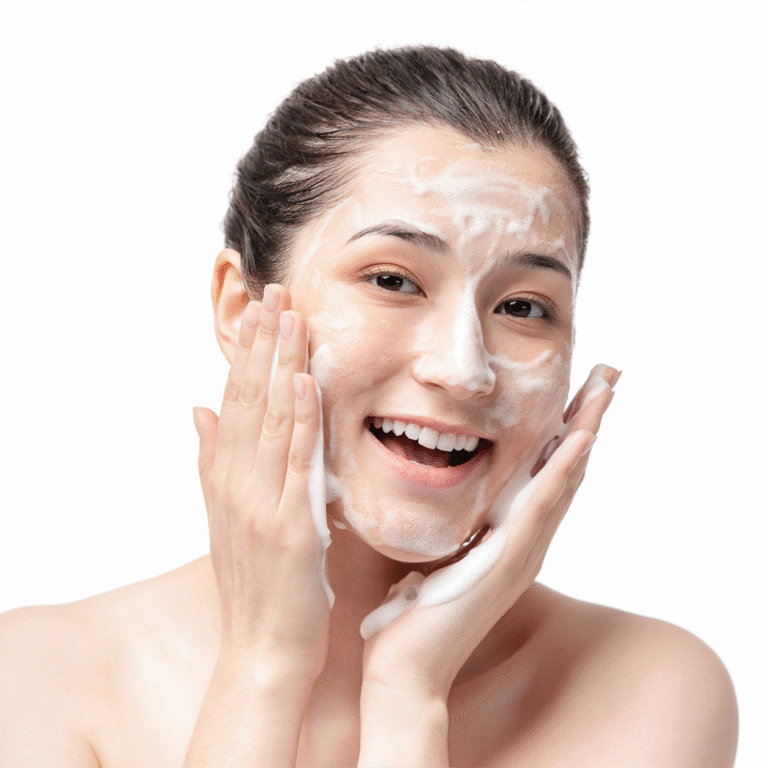
It’s one of the fastest ways to use this ingredient and you can do it easily by beginning your routine with a salicylic acid cleanser or face wash. It gives a thorough cleanse, exfoliation and even treatment for acne all in one. Apply it once or twice a day — depending on the sensitivity of your skin.
The best salicylic acid cleanser picks are designed to balance exfoliation and hydration, so your skin does not feel stripped.
Salicylic Acid Serum
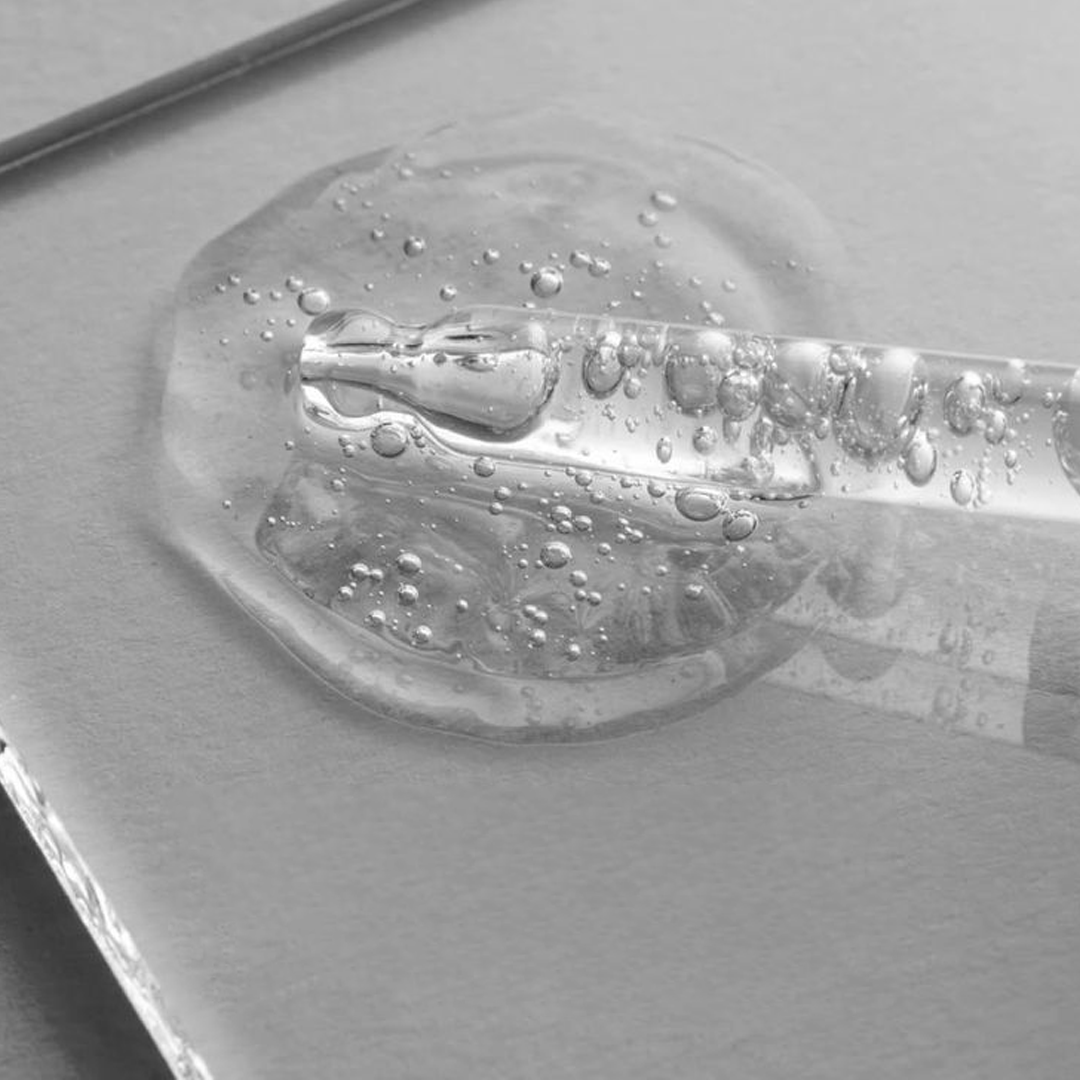
A salicylic acid serum is excellent if you prefer something more targeted. Serums tend to be more potent, allowing you to target your treatment on specific areas of concern — like recurring breakouts or congested pores.
Salicylic Acid Cream
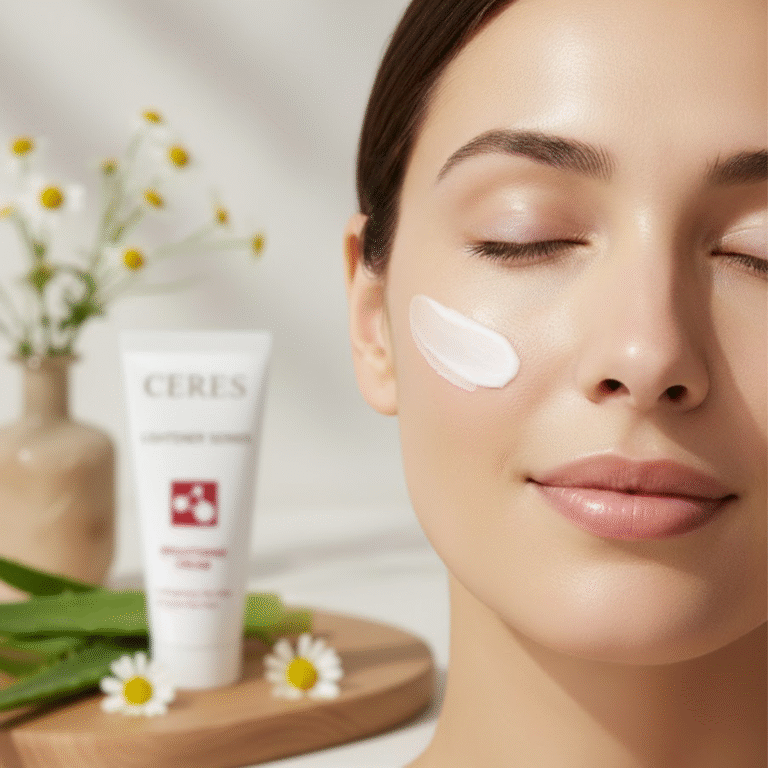
If you’re a multitasker, reach for a salicylic acid cream that will exfoliate while hydrating. It’s also great for oily or combination skin types.
Salicylic Acid Body Wash
It isn’t just a face issue — I have body acne that annoys the hell out of me, too. A body wash formulated with salicylic acid can help clear breakouts on the back, chest and shoulders. That makes it a tough all‑over acne fighter.
Salicylic Acid Before and After
Salicylic acid before and after results Users love posting dramatic before-and-after results from the ingredient, of clearer skin without so much as a bump in sight. Results do vary from person to person, but the majority of individuals will recognise an improvement in just a few weeks with regular use. Patience and consistency are key.
How to Use Salicylic Acid on Your Face
Salicylic acid and retinol are both actives that stimulate cell turnover. However, when combined, they can prove to be too strong for many skin types.
✔ You can use them within the same routine — just rarely at the same time. ✔ In the morning, use salicylic acid and at night alternate with retinol or try alternating day by day for less irritation.
So when people wonder, “Can I use salicylic acid with retinol?” The best rule of thumb is to space them out for the sake of your skin’s barrier.
Salicylic Acid vs. Glycolic Acid
Another popular debate is glycolic acid vs salicylic acid. Both are exfoliants — but they behave very differently:
Salicylic acid is oil‑soluble, perfect for combating acne, blackheads and deep pore cleansing.Device properties : Transparency window — blue light plays a role in the various physiologic processes on skin.
Glycolic acid is water‑soluble (perfect for surface exfoliation and brightening).
If clearer, unclogged skin is your main objective, then salicylic acid is typically the one to go for.
Is Salicylic Acid Bad for Skin?
Yes — when used correctly. Salicylic acid works well for all skin types, but it’s especially great for oily and acne‑prone skin. And if you have dry or sensitive skin, take it slow and patch test first; try lower concentrations.
Tips for Best Results
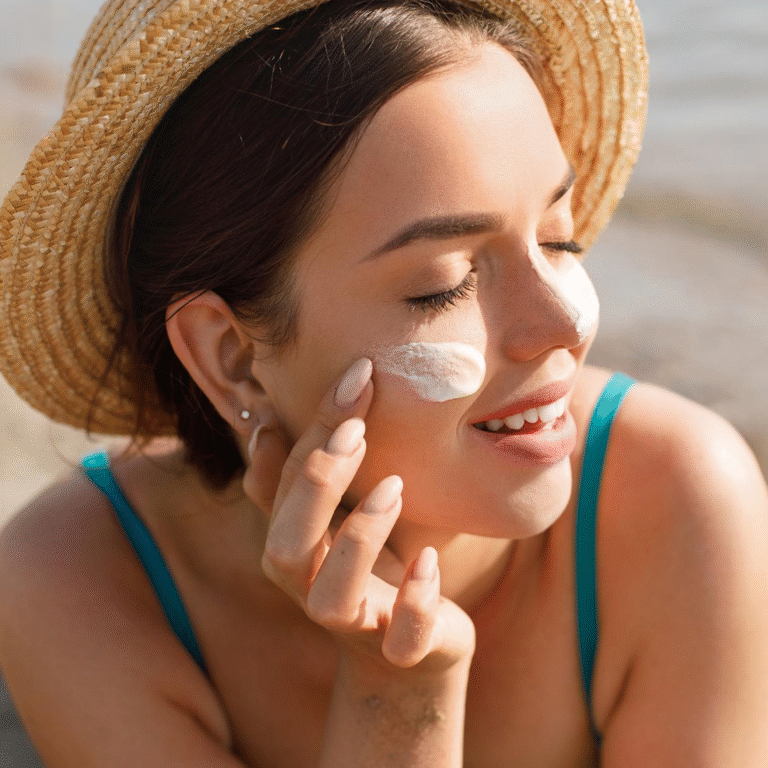
✔ Apply sunscreen over it — exfoliating acids increase your skin’s likelihood of sunburn.
✔ Begin with a mild salicylic acid wash and build up to more potent serums.
✔ Don’t overdo it — once or twice daily is generally sufficient.
Conclusion
From clearing stubborn acne to smoothing skin texture, salicylic acid deserves a place in your skincare routine. Whether you go for a salicylic acid face wash, serum, cream or body wash, there’s an answer to help both teens and adults with clearer-, healthier‑looking skin.