Niacinamide, also known as Vitamin B3, is a popular skincare ingredient and now it’s being featured more often too. This ingredient can be the Answer to all your skincare problems. So, what does niacinamide actually do for the skin? In this post, we explore niacinamide skin benefits and also how to include niacinamide into your routine.
Niacinamide vs. niacin
Niacin (vitamin B3) is a water-soluble B vitamin. Your body requires a minimal amount of this vitamin on a daily basis to remain healthy. Niacinamide is a form of niacin. Your body produces niacinamide when it has an excess amount of niacin.
Niacinamide can be synthesized and used in dietary supplements and in products that treat various skin conditions, including hyperpigmentation, dark spots, acne, and psoriasis.
Niacinamide Products
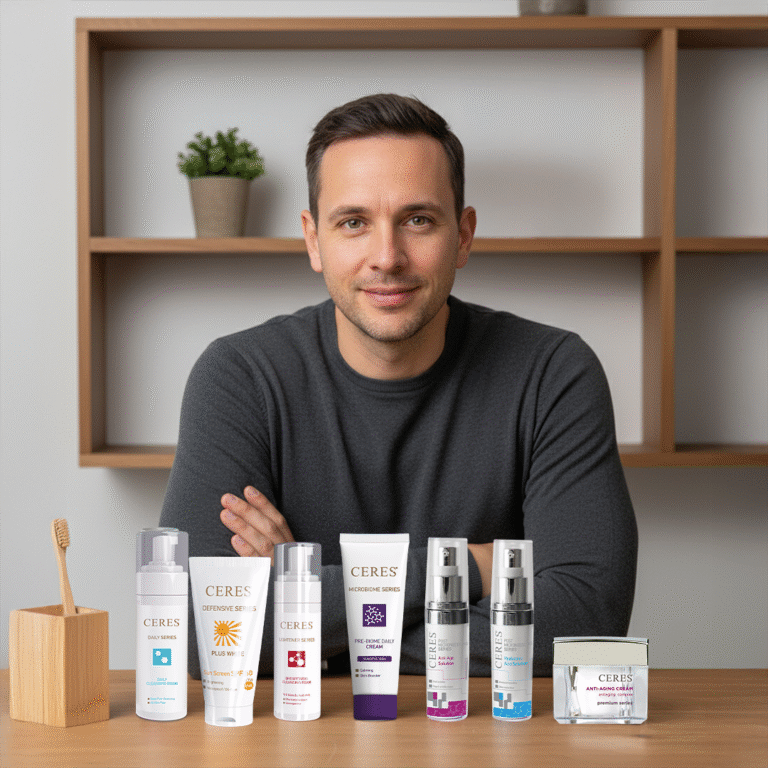
Due to its ability to enhance the condition of the skin and its subsequent effects, niacinamide has become prevalent and acts as an active component for various skin care products, including but not limited to moisturizers, serums, sunscreens, creams, lotions, and cleansers.
Skin conditions treated and health improved from these niacinamide products:
- Acne
- Skin aging
- Psoriasis
- Pruritus or itching
- Skin inflammation
- Hyperpigmentation or dark spots
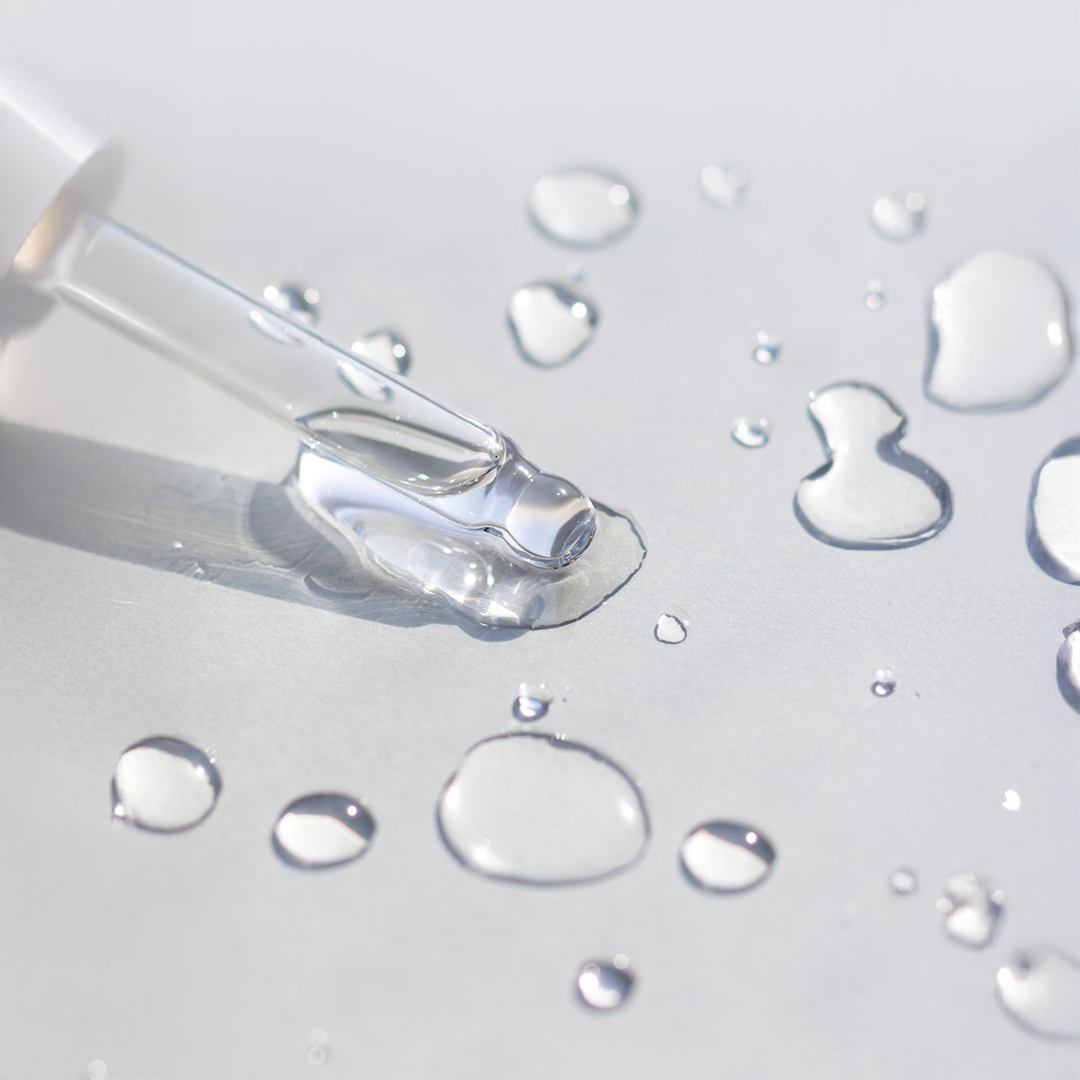
How to Use Niacinamide Serum
Research is still in its early stages regarding niacinamide’s skin benefits. Still, as a topical product, niacinamide does have its properties intended to treat some skin conditions (acne and eczema among them). Other niacinamide skin benefits involve helping the skin generate proteins and hold on to moisture, which in turn safeguards it from environmental damage.
Builds skin immunity
Ingredients: Niacinamide is healing. They aid to reactivate the cell energy of skin cells and repairing DNA damage.
Niacinamide diminishes the sun’s UV immunosuppressive effects, which protects skin from external stress factors that cause the skin to breakdown and age prematurely. It also prevents pigment transfer, which helps avoid brown spots. The anti-inflammatory properties are beneficial for skin inflammation, redness and patches. In general, it reinforces the skin, maintaining moisture for healthier skin.
Treats skin inflammation
It not only replenishes dry, damaged skin, but its anti-inflammatory effect makes it the perfect solution for inflamed areas of skin. Niacinamide acts by preventing immune system chemicals from promoting inflammation. It could be employed to help with skin conditions that have inflammation, such as eczema, inflammatory acne and contact dermatitis.
When consumed as a supplement, niacinamide, for instance, has been shown to reduce inflammation related to mild-to-moderate acne. It is successful when oral antibiotics do not work or cannot be used. In cases of the condition so severe that they require intervention, it might not be vitamins, but rather systemic steroids or retinoids.
Reduces signs of aging
Niacinamide can also be beneficial for fine lines, pigmentation and wrinkles. Some studies that have come out over the past couple of years show quite dramatic improvements in fine lines, wrinkles and hyperpigmentation. That study requires more research, as another split-face study appears to indicate the nutrient does not work. For the treatment of melasma, patches of discolouration, for instance, 4% hydroquinone was more effective than 4% niacinamide.
Minimizes pores
Niacinamide, especially in combination with other actives, can also decrease pore size and roughness and improve overall skin texture. Using just 4% niacinamide, studies demonstrated an improvement in pores, texture and uneven skin tone over 8 weeks.
Niacinamide might also tighten your pores, smooth your skin’s texture and regulate the amount of oil your skin produces to help prevent clogged pores
Brightens skin
It remains to be seen how it actually works for skin appearance, still being studied by researchers. But niacinamide may brighten the skin and is effective at treating disorders that involve skin discoloration, such as hyperpigmentation.”
Skincare products containing 5% niacinamide might improve the look of dark spots. It’s also good to layer with other skin-brightening ingredients, like retinol, when treating uneven skin tone.
Does niacinamide help with acne?
In an investigation published in The International Journal of Dermatology, a topical 4% solution of the nutrient worked just as well as clindamycin (an antibiotic) in persons with acne. Clindamycin is prescribed for the treatment of bacterial infections. A 2021 analysis similarly finds that applying 5% niacinamide and 2.5% benzoyl peroxide (a medication used to treat mild to moderate acne) is more effective than applying 2.5% benzoyl peroxide alone.
Topically, niacinamide can also decrease oil production, which is helpful for those dealing with acne. The ingredient is also gentler than one you’d find in most other acne treatments. It’s been touted as an appealing treatment for people with sensitive or dry skin. There’s also some evidence that topical niacinamide repairs the function of the outermost protective skin layer.
Niacinamide can also help to reduce post-inflammatory swelling and redness with inflammatory acne. It may even help fade acne scars, while making skin look and feel better overall.
What does niacinamide do for the skin?
The anti-inflammatory, oil-regulating, and pore-shrinking properties of niacinamide help to promote skin health. It also brightens dark spots, balances the overall skin tone and supports the natural skin barrier, which helps to seal in moisture while defending against free radical damage. It is also used to treat problems such as acne and eczema.
How to Use Niacinamide
If you’re looking to use niacinamide for treating hyperpigmentation and dark spots, then it’s recommended that you use it in combination with other ingredients. You can also go for brightening ingredients like kojic acid, derived from the byproducts of fermented rice mushrooms.
These are other popular niacinamide pairings for the most benefit.
Niacinamide and vitamin C
It’s a frequent myth that niacinamide and vitamin C products don’t work well together in the same skin care routine, but there is no evidence to suggest they cannot be used alongside each other; between these products. Most people believe the opposite is true. By using niacinamide and vitamin C together, you’ll receive all of the antioxidant, anti-aging and brightening effects that they can provide for your skin.
You can do a patch test before using them together to see whether you’ll get a reaction from either ingredient.
Niacinamide and hyaluronic acid
You’ll get more out of the product if you use it with hyaluronic acid, which helps with absorption. Although you may not notice dramatic results at first, it takes about 4 weeks. After 8 weeks, your skin will feel more moisturised, smoother, and firmer.
Niacinamide and retinol
Skin Care – Retinol Related Article: Retinol is among the most popular ingredients in skin care products, for all its benefits to the general health of the skin. It is beneficial in reducing wrinkles, brightening skin, treating acne scars and fading hyperpigmentation. It also enhances the production of collagen, which retains skin moistured and shine. But it can also irritate skin, particularly for new users.
Using niacinamide with retinol can make both ingredients even more effective and reduce the irritating side effects of retinol, like redness or flakiness.
If you see no results after two months, check in with your skin care specialist. They’ll also evaluate your skin type and the way you take care of your skin, then recommend the products that should be involved in taking care of your face.
Niacinamide supplements
If you’re not getting enough niacinamide or have a serious niacin or vitamin B3 deficiency, your doctor may recommend niacinamide supplements. Your doctor will prescribe the appropriate supplement for you and explain how to take it.
If one is already taking niacinamide as a supplement to cure acne, it will work more effectively when combined with zinc, folic acid and copper. Consult your doctor and inform them about any other medications or supplements you’re taking before trying niacinamide supplements.