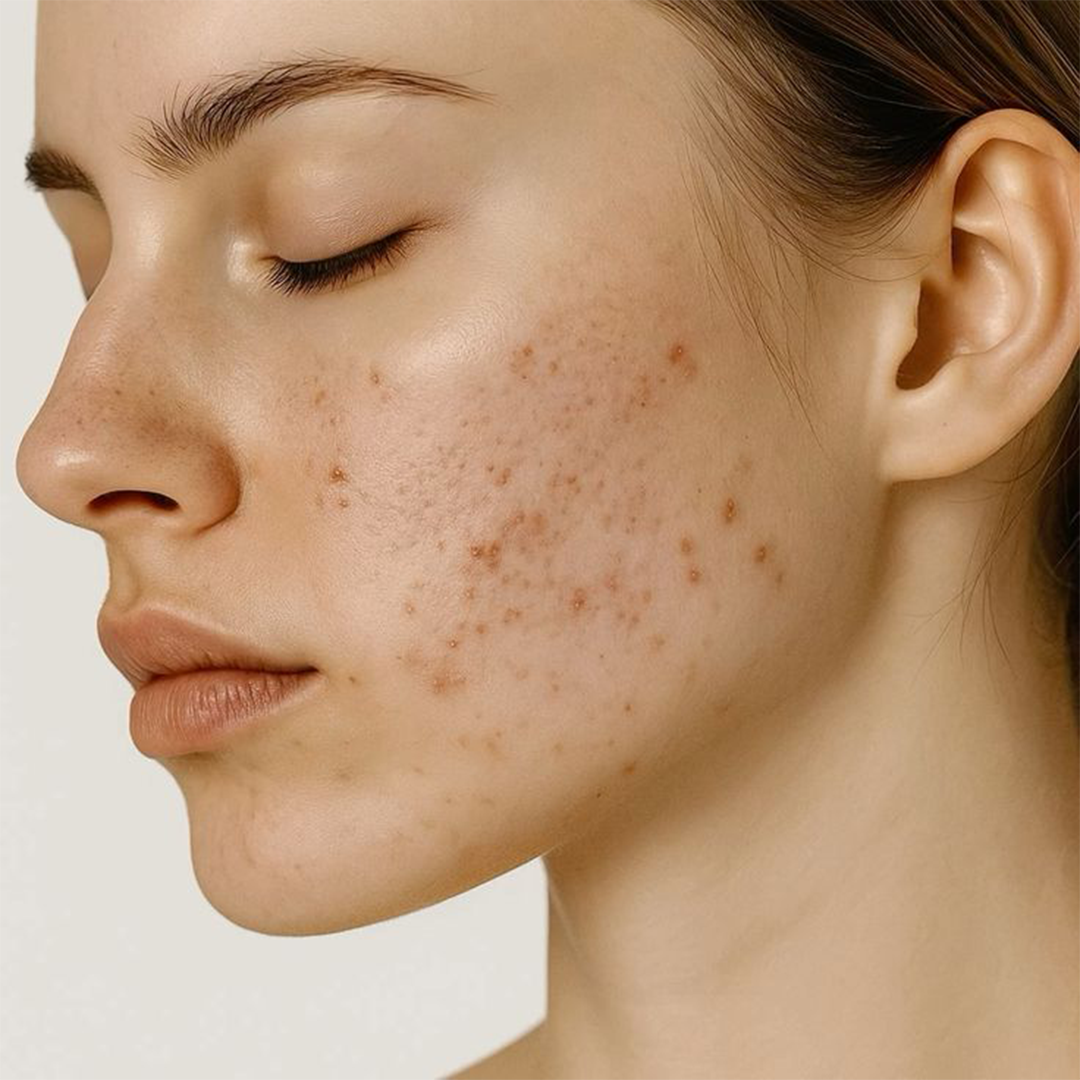
One of the most common and popular skincare issues is congested skin, which many of us are bound to encounter at some point in our lives. If you’ve ever looked in the mirror and noticed rough patches, bumpy texture, dullness or clogged pores when looking at your skin, there’s a good chance it has been congested. In this guide, you’ll learn all about congested skin, or when your pores are congested, why your skin becomes so and how to know whether this is indeed happening to you, then of course, how to prevent it for a blemish-free face.
What is Congested Skin?
Congested skin is a condition where pores become clogged with a mixture of oil, dead skin cells, and impurities. This leads to a bumpy texture, blackheads, and dullness, requiring targeted cleansing and exfoliation to resolve.
What Does Congested Skin Look Like?
There are several ways skin congestion can appear, but it’s crucial to spot the signs early. Here are some common indicators:
- Clogged pores face: You will start seeing blackheads, whiteheads or little bumps begin to appear on the skin.
- Clogged pores bumps: Clogged pores are a common cause of bumpy skin, which can appear on your forehead, cheeks and chin.
- You have dull or uneven skin tone: Congestion can stop your skin from glowing, keeping it dull and lacklustre.
- Bumps or blemishes: Acne forms when pores are clogged, and skin breaks out.
What Causes Clogged Pores?
Several elements can cause clogged pores and skin congestion. Among the leading causes are:
- Overproduction of oil: Your skin’s natural oils (sebum) may mix with dead skin cells and other substances to clog your pores.
- Bad skincare habits: Leaving makeup on or not washing your face effectively can cause the buildup of oil and dirt.
- Hormonal fluctuations: Oil production and congestion can both be brought on by hormone changes, such as those experienced during puberty or menstruation.
- Environmental influences: Pollution, humidity and being out in the elements can also cause a buildup of impurities on your skin.
Symptoms of Congested Skin
Signs of congested skin are essential to recognise for proper care. Some common symptoms include:
- Breakouts: This includes when people have acne and pimples, which appear in congested areas of the skin when pores get blocked.
- Rough texture: Skin gets a bumpy texture when pores are clogged.
- Shiny skin: Skin may look greasy or shiny in your T-zone, which is where oil glands are most active.
How to Clear Congested Skin
So, if you think about it, “How do I remove the congestion from my skin?” Here are a few tactics that you may want to try. Here are some essential tips:
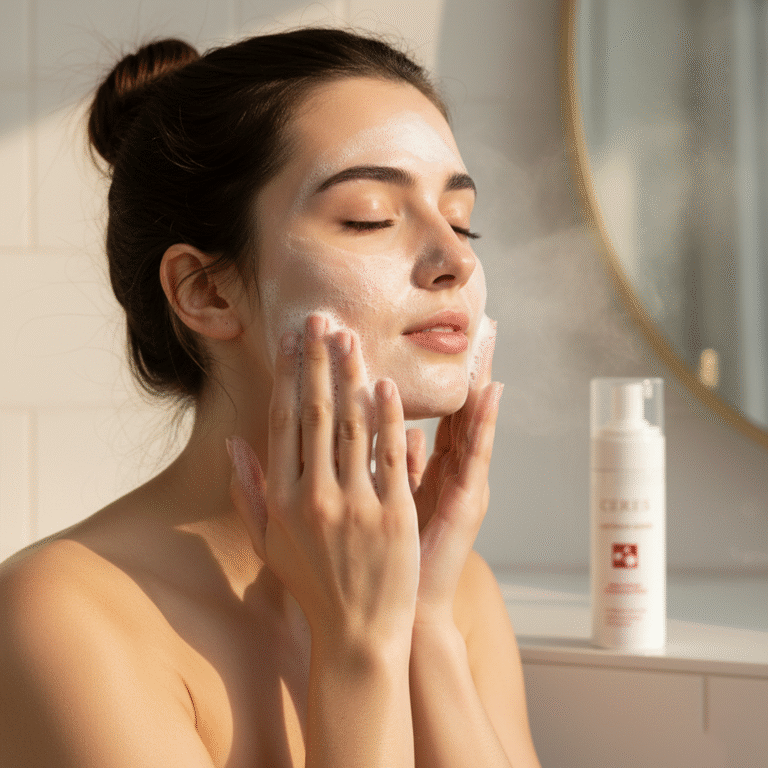
- Wash Often: Cleanse your face twice daily with a gentle, non-comedogenic cleanser. That exfoliates and cleans without drying out skin.
- Scrub: Exfoliate your skin several times a week to remove dead cells and keep pores open. Stick to language that tells your audience you’re applying mild chemical exfoliants (at most, AHAs and BHAs), so they don’t get irritated.
- Choose Non-Comedogenic Products: It’s not just about cleansers, however; the same holds for other skin-care products like moisturizers and makeup make sure they are labeled as non-comedogenic, indicating that they won’t clog your pores.
- Spot Treatment: To treat these concentrated pore bumps, you may opt to spot-treat with salicylic acid or benzoyl peroxide to help the breakout clear out.
Congested Skin Treatment
For chronic congestion, congested skin treatments may include pro facials, extractions or prescription topicals. Dermatologists often recommend treatments like:
- Chemical peels: Such can be used to slough off some of the excess skin and unclog your pores, revealing smoother skin underneath.
- Extraction: A dermatologist takes out blackheads and whiteheads safely with a professional extraction method.
Facial Congestion and Clogged Pores
Did you know how difficult it is when your face feels congested, in particular around your forehead or cheek? Accumulation of sebum and impurities can cause visible clogged pores on the face. That can even make skin feel bumpy or rough in some cases. For those whose face is clogged, you are going to need a skincare routine for congested skin, which includes cleansing and exfoliation to help you avoid future blockages
What to Do for Clogged Pores on Your Forehead
This area is a typical ZIT zone that gets clogged with skin and oil buildup. To tackle this problem:
- Hands off your forehead: Keep your hands and fingers away from your face to prevent oil and bacteria from spreading.
- Try a mild Exfoliating: Use products that contain salicylic acid to exfoliate your forehead, as they are known to penetrate your pores and restore cleared blockages.
- Be sure to hydrate: Keeping your skin in balance helps avoid excess oil production.
Prevention Tips for Congested Skin
The truth is that the best way to prevent skin and face congestion from occurring is with the proper skincare habits:
- Cleanse your skin: Taking time to cleanse your face each day can help remove dirt, makeup and oil that builds up on the skin.
- Hydrate: Drink lots of water to maintain skin health and balance.
- Choose oil-free products: If your skin is oily, use oil-free moisturizers and makeup.
Don’t scrub too hard: Rough exfoliants can damage your skin and make congestion worse.
Conclusion
By knowing and learning the causes of congested skin, you can take control of how to prevent it and manage it. Regardless of whether it’s crowded on the forehead or congested pores all over your face, keeping up with a skincare routine and adding in the right treatments can go a long way. If you’re in doubt as to which is the best for treating congested skin, speak to a dermatologist about professional treatment options and how you can achieve clear, healthy skin.