If you’re searching for a treatment that is effective at making your hair look healthier, glycolic acid hair could be the game-changer you need. Famous for its exfoliating abilities in skincare, this acid is now gaining popularity in hair care too. But what exactly does a glycolic acid hair treatment do for your hair and scalp? Keep reading to learn about this blog, the practical use of glycolic acid for hair treatments and the side effects of glycolic acid.
What is Glycolic Acid and How Does it Work on Hair?
Glycolic belongs to the family of AHAs (alpha-hydroxy acids) that come from sugar cane. Skin care exfoliates the skin, removing dead cells, and encourages the growth of new ones. But did you know it can also be best for your hair and scalp dreams? If used directly on the scalp, glycolic acid can exfoliate dead skin cells and product buildup, unclogging hair follicles and creating a healthy environment for hair growth.
The Benefits of Glycolic Acid for Hair
- Encourages Hair Growth. Glycolic acid scalp: what it does on your skin—gently exfoliates. This exfoliation removes dead skin cells that can clog pores and hair follicles. This leads to healthier hair growth and a healthier scalp. If you have been dealing with thinning hair or slowly growing hair, using glycolic acid on your scalp might help rejuvenate the follicles and allow you to grow thicker, healthier hair.
- Fights Dandruff and Dry Scalp. A common cause of dandruff is simply dry, flaky skin. Glycolic acid is excellent for dandruff because it exfoliates your scalp, helping remove flakes and excess sebum. The symptoms, including flaking, itchiness and dryness, can be alleviated by applying glycolic acid to your scalp. So, if you have scalp issues such as dandruff and dry scalp, glycolic acid could be the answer you’re looking for.
- Deep Clean Scalp. The accumulation of hair care products, like shampoos, conditioners, stylers, and daily oils, on the scalp can weigh down fine hair and make it look lifeless. The accumulation of this buildup can really make your hair feel heavy and lack lustre. When it comes to your hair, glycolic acid can serve as a deep cleanser, eradicating this buildup and leaving your scalp looking and feeling fresh and rejuvenated. It also enables nourishing treatments or products to reach deeper and be more effective.
- Improves Scalp: Circulation Glycolic acid supports increased blood flow to the scalp. This increased blood flow will feed the hair follicles, providing them with essential nutrients for longer, stronger , and healthier hair.
How to Use Glycolic Acid for Hair and Scalp
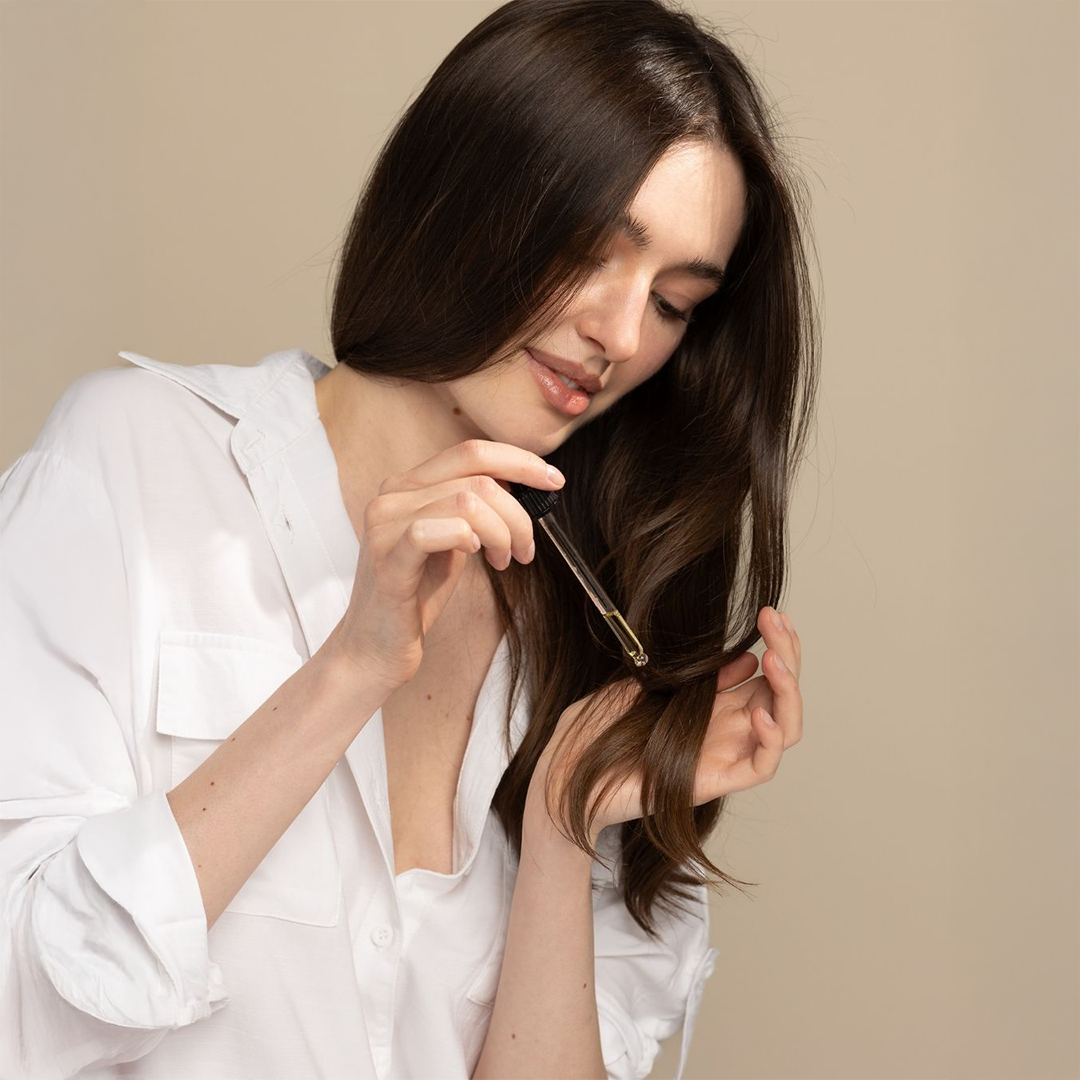
From using glycolic acid for hair and scalp care to how to best use the ingredient, here’s What you need to know. Here’s how to use glycolic acid in hair care:
- Scalp: Apply a glycolic acid product directly to the scalp. Massage it gently into your scalp for a couple of minutes to exfoliate the skin and remove dead cells on the surface. Wash off thoroughly with warm water, then use your usual shampoo and conditioner. Make sure to use a gentle shampoo afterwards as well, so it doesn’t irritate.
- Glycolic Acid Shampoos and Conditioners: Opt for hair products formulated to restore lustre to your locks, with the added benefits of glycolic acid. These are designed to deliver just the right amount of exfoliation without irritating your scalp. Just include these items in your regular wash.
Glycolic Acid for Dandruff: If your dandruff is especially severe, opt for a scalp treatment that includes instructions for using glycolic acid. Products such as these are typically formulated to address the root of dandruff itself, dead skin cells, and too much oil, while providing a refreshed and revitalised scalp.
Potential Side Effects of Glycolic acid on hair
As with all products, be mindful of any side effects when using glycolic acid on your hair and scalp. Glycolic acid is generally safe for most people, but you can still experience irritation and sensitivity, mainly when used at higher concentrations.
- Scalp Sensitive: If you experience itching, burning, or redness on the scalp. It’s worth starting with a lower concentration of glycolic acid and doing a patch test on your scalp before slathering it all over.
- Dryness: Although glycolic acid is excellent for exfoliation, it can also cause dryness to the scalp. If you’re noticing too much dryness or flaking, mix in hydrating masks and nourishing haircare.
- Overuse: Exfoliating the scalp with glycolic acid too often can deplete natural oils, leading to dryness and scalp irritation. Use water-based glycolic acid products sparingly, and avoid the scalp altogether.
Is Glycolic Acid Good for Hair?
So, does glycolic acid for hair work? Absolutely. Powerful in promoting scalp health, combatting dandruff and stimulating hair growth, introducing glycolic acid to your hair care routine! It’s great for sloughing off the dead skin that builds up on your scalp (if you don’t exfoliate, your hair will never be healthy and strong). If you suffer from scalp problems or want to make your hair healthier in general, glycolic acid for hair treatment may be the solution you are looking for.
Conclusion
Including glycolic acid in your hair care routine could be the best way to achieve healthier, shinier hair. If you’ve been struggling with dandruff or scalp buildup, or are looking to amplify your hair’s growth, glycolic acid may make your hair more manageable and help you achieve the look you want. From boosting circulation to cleansing your scalp, this powerful acid can transform your hair and scalp.