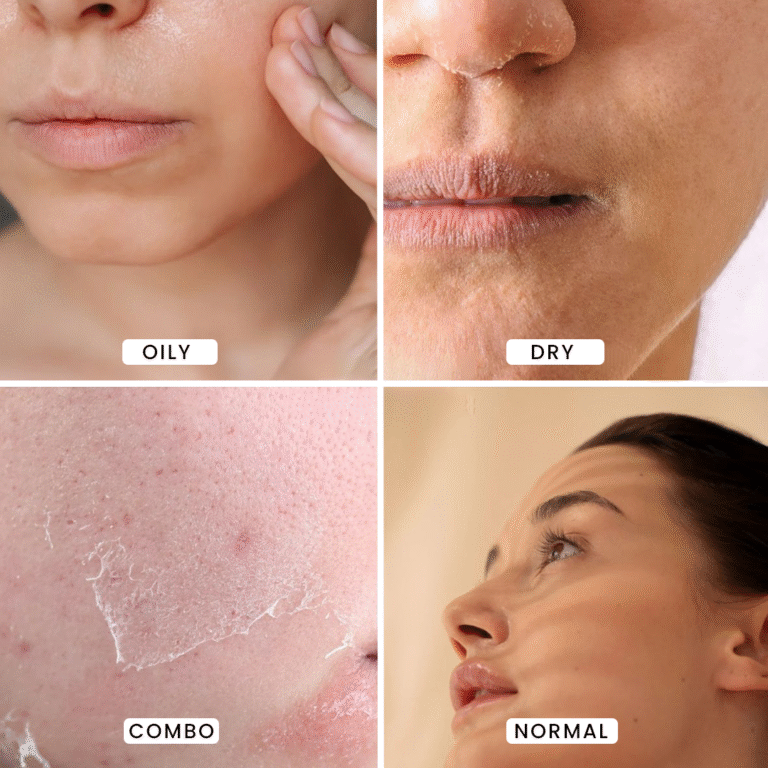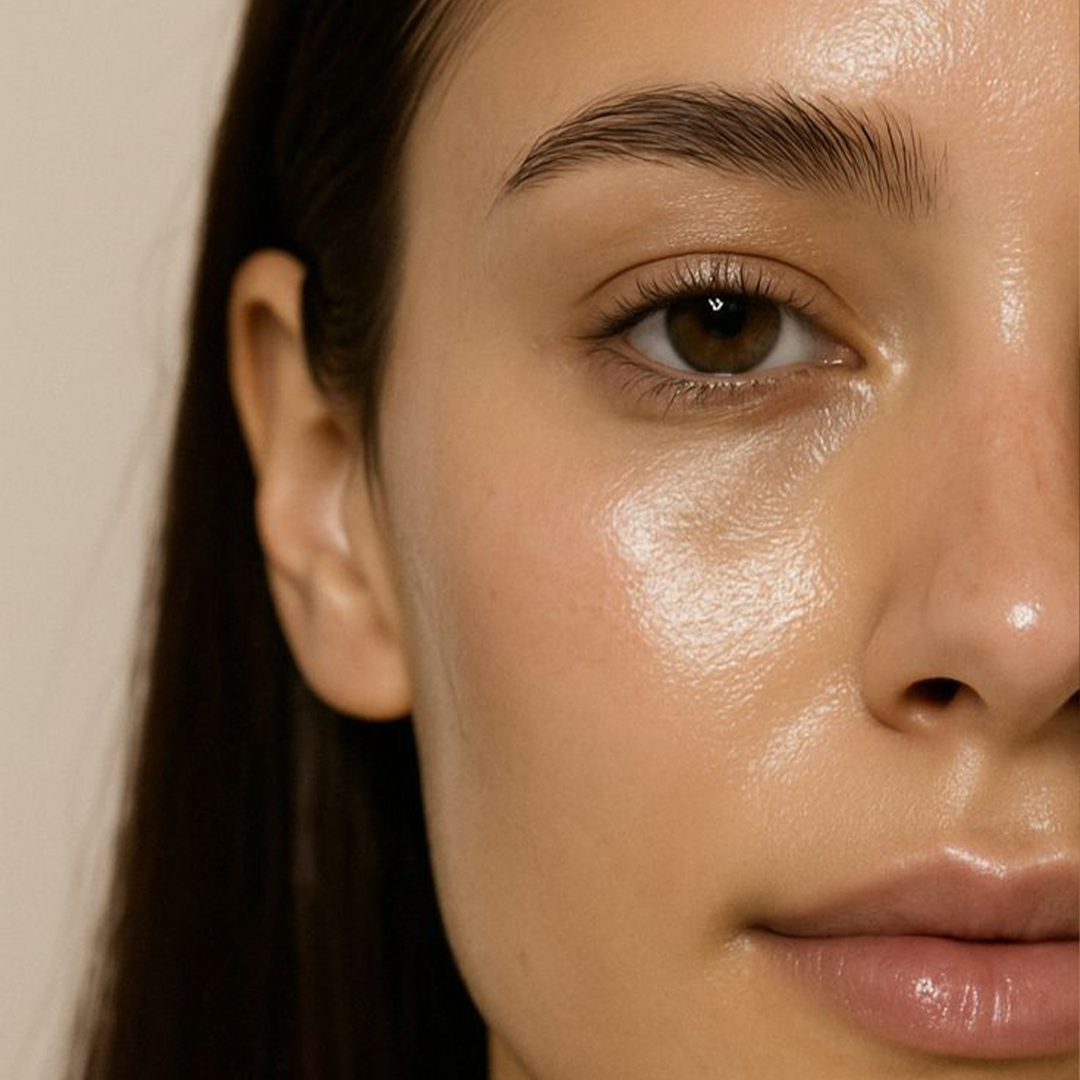
Oily skin can be a pain. It tends to leave your face shiny and greasy, and you may even have to spend the day with a napkin over your oily forehead or nose. The good news is that there are some things you can do to combat that excess oil and avoid looking like a shiny mess.
Here’s what to do in order to control oily skin and strip that shiny feel.
Understanding Oily Skin
Before we get into remedies, why is my skin so oily? We need to address what is causing oily skin. The skin naturally produces oil (or as a way to defend against dryness, but when the sebaceous glands are producing too much oil, it results in greasy skin. This can result from such things as hormones, genetics, weather or even stress.
Why Your Skin is Oily
There are some reasons that your skin might be very oily. Hormonal fluctuations, such as those that occur during puberty or pregnancy, can also boost the production of oil. Stress and diet are also considerations; some foods can make your oil glands go into overdrive. Environmental considerations, such as the summer heat and humidity (particularly if your forehead or nose gets greasy), can intensify oily skin. Understanding why your skin is oily can help you choose the right product or solution.
Tips to Reduce Oily Skin
If your goal is to remove oily skin, let us introduce you to a few of the best methods for controlling oil production.
1. Cleanse Your Skin Gently
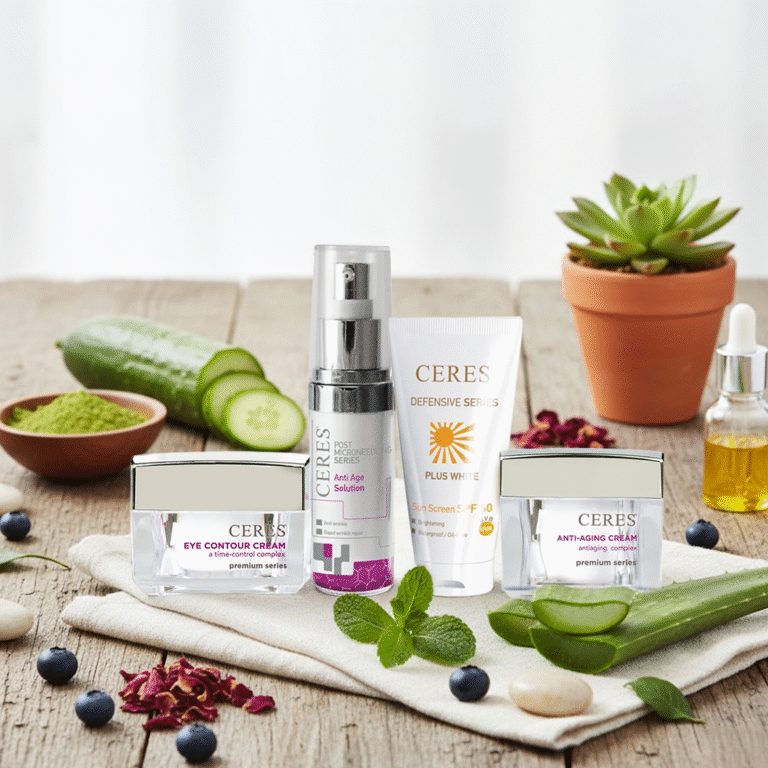
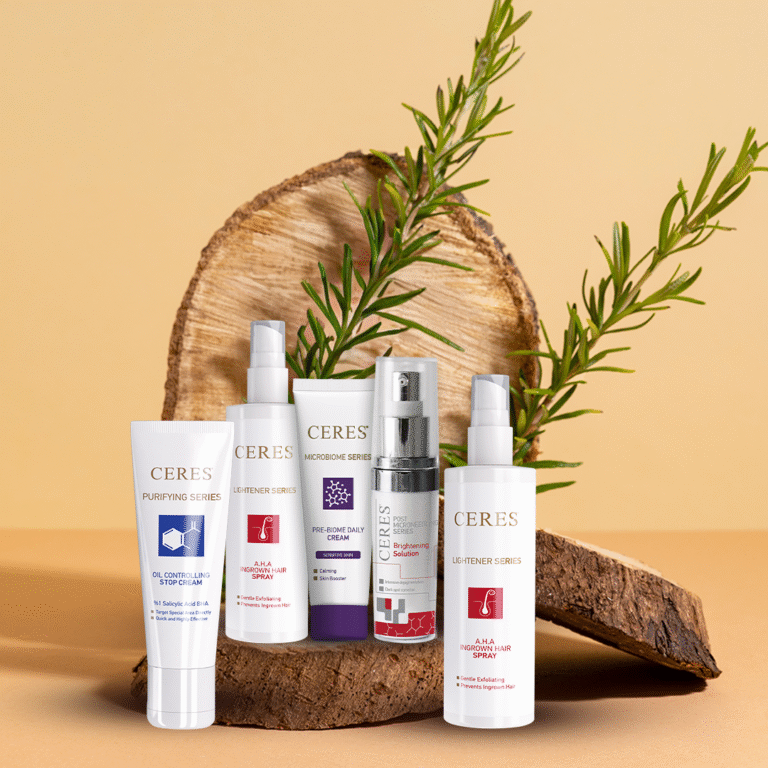
Wash your face two times a day with warm water. Try washing with warm water when you wake up and also before bedtime. Clean It Off Dirt with Ceres brightening cleansing foam or Oil control cleansing foam, sweat and oil tend to stick a lot more when you’re inclined to excessive sweating. Stay away from harsh soaps, which can remove your skin’s natural oils and cause it to produce extra oil in order to compensate.
2. Use a Toner
Apply a toner for oily skin after washing your face. A toner should strip what’s left of the oil and close up your pores. You want to search for toners that have key ingredients such as salicylic acid or witch hazel, which help to keep oily skin in check and can stave off the next breakout
3. Choose Oil-Free Moisturizers
Though your skin may be oily, it still requires moisture. Choose an oil-free, water-based moisturizer to maintain some hydration without further greasing your skin.
4. Avoid Touching Your Face
Rubbing your face all day may move oils and dirt from your hands onto your skin, which can actually make it even greasier. Avoid resting your chin on your hand and touching your face unnecessarily
5. Blotting Papers Are Your Friend
If you tend to have a shiny face during the day, pop oil-blotting papers in your bag. These blotting papers should absorb all of the excess oil (and nothing else), so they shouldn’t interfere with your makeup or harm your skin. Just swipe the blotting paper on your skin, and goodbye, greasy shine.
6. Exfoliate Regularly
It removes dead skin cells that clog pores and cause more oil. On the flip side, overexfoliating could irritate your skin and cause it to produce even more oil. Attempt two to three times per week using either a scrub or an exfoliating treatment.
7. Use Clay Masks
Clay masks are great for sucking out extra oil and removing dirt from your pores. Seek masks formulated for oily or acne-prone skin. Once a week, you can also use a clay mask to help control the amount of oil your skin produces and unclog your pores.
8. Consider a Mattifying Primer
If you use makeup, apply a mattifying primer under foundation. Mattifying primer will control shine and make your skin look fresher for longer. It’s an easy way to prevent your skin from looking greasy all day.
9. Be Mindful of Your Diet
Your skin can reveal a lot about what you eat. Some sugary or dairy-heavy foods can somehow prompt your skin to produce more oil. Eat a diet rich in whole grains, fruits and vegetables to keep your skin healthy.
10. Stay Hydrated
Your skin can suffer from dehydration, and water helps prevent this. It’s also possible that your skin going into dehydration mode might mean it starts producing more oil as a protective measure, so be sure to keep yourself well-hydrated throughout the day.
Clinical Approved Solutions for Oily Skin
While hacks and homely remedies can be effective, there are times when you might require professional procedures to get rid of oily skin for good. Dermatologists could suggest treatment in the office to decrease oil production, including:
- Prescription Medications: Certain topic agents, like retinoids and topic antibiotics, can normalise oil production and decrease acne
- Chemical peels: A dermatologist may use a chemical peel to help exfoliate the skin, rid it of dead cells and regulate oil production. It can also help combat acne due to the overproduction of oil.
- Laser Treatments: Certain laser treatments can treat sebaceous glands to decrease oil production, providing a more permanent solution for oily skin.
- Light Therapy: Blue light can destroy acne bacteria and decrease oil production, making it good for oily, acne-prone skin.
Conclusion
Caring for oily skin can be easy. By implementing these methods and maintaining good skincare, you can help tame the excess oil responsible for making skin greasy. Keep in mind you’ll want to clean the right way, nourish your skin and select the right products. You will, over time and with consistency be able to keep your skin clean, fresh and shine-free!