The first step to a skincare routine that actually works for you is understanding your skin type. Understanding your skin type, whether its oily skin, dry skin, combination skin or normal skin is key to understanding the products that work best for you and practices you can incorporate into your skincare routine. But, what is my skin type and how can I figure it out?
The Different Skin Types
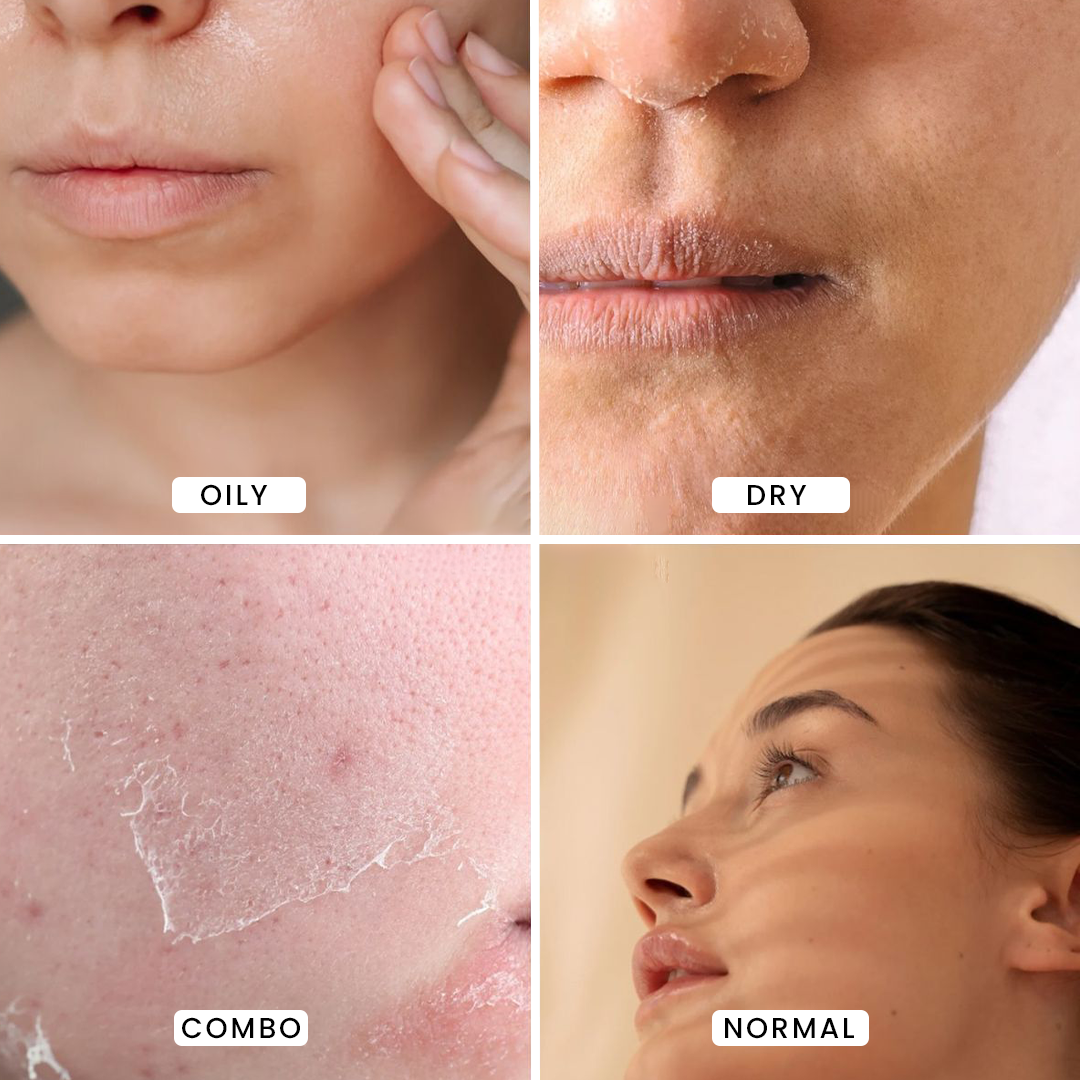
Skin is as individual as the person wearing it, but most skin types fall into one of the following categories:
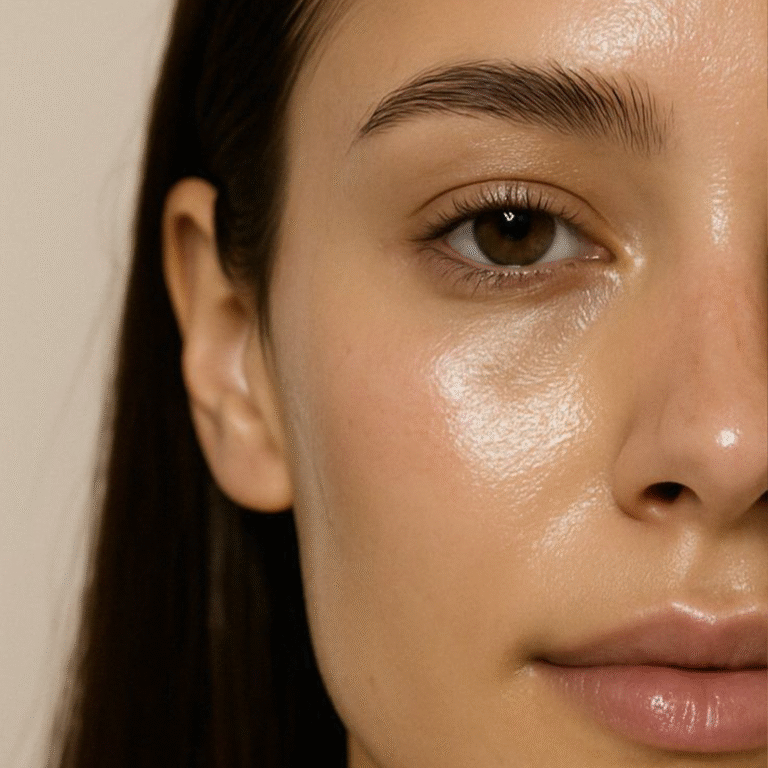
- Oily Skin Type: This skin type generates more sebum and tends to look shiny, particularly in the T-zone (forehead, nose,chin).
- Dry skin: Tight, flaky or rough texture with visible dry patches.
- Combination Skin: A combination of oily and dry areas. For instance, you might have an oily T-zone and dry cheeks.
Normal Skin: Balanced skin, not too oily and not too dry; smooth texture and even tone.
How to Find Your Skin Type
Now, how do you know your skin type? You have a couple of avenues you can take to figure out what exactly your skin needs. Here’s an easy method to help yourself find the answer to; what skin type do I have?
- Wash Your Face: Cleanse your face with a small amount of mild non-stripping cleanser to take off make up and dirt.
- Give it an Hour: Allow your skin to calm down before assessing.
- Assess Your Skin:
If you notice your skin feels oily, particularly on T-zone, chances are you a person with an oily skin type.
If it’s tight, flaky or rough, chances are you have dry skin type.
Your skin may be combination if your T-zone (forehead, nose and chin) is oily while your cheeks are dry.
Normal skin type If your skin feels balanced, smooth and not too oily or dry, you likely have normal type of skin.
How to Tell Your Skin Type
You want to make sure you’ve nailed it? Here’s how to confidently tell the difference between your skin types:
- If your skin starts to shine a few hours after washing, you likely have oily skin.
- If your skin feels tight post-wash, you definitely have dry skin.
- If you feel greasy in your T-zone but not elsewhere, chances are you have combination skin.
- If your skin is soft, moist and not oily or dry, you most likely possess normal skin.
How to Know Your Skin Type with the Skin Type Test
Still unsure? That’s where the Ceres Skin Test can come in. It’s a fast and simple method to learn your skin type. Here’s how to do it:
- Clean Your Skin: Wash your face with a gentle, non-drying cleanser.
- 30 Minutes: Waiting time, let the skin rest and return to its origin.
- Assess Your Skin’s Feel:
If your skin feels tight and parched, chances are you fall into the dry camp.
If it looks oily and shiny in the T-zone (forehead, nose, chin) you most likely have an oily skin type.
If your cheeks are dry, while your forehead and nose develop a sort of shine, you’ve likely got combination skin.
If your skin feels smooth and balanced, you have normal type of skin.
With this simple Ceres Skin test, you never have to guess how to find your skin type or what your skin really needs.
Do I Have Dry or Oily Skin?
One of the biggest questions people have is, “am I oily or am I dry?” It can be hard to know sometimes. But with these steps, you can ensure yourself if you have oily or dry skin and change up your skincare routine.